
Diabetes and Insulin Administration Training
PRACTICAL DIABETES TRAINING
Diabetes training supports nurses, support workers and other healthcare professionals to deliver safe and effective care for individuals living with diabetes.
Training covers blood glucose monitoring, insulin administration, recognising hypoglycaemia and hyperglycaemia, and responding to diabetes emergencies.
Sessions are practical and can be adapted depending on the clinical needs of the individuals being supported.
Duration: 2-3 Hours
Format: Face to Face Practical Training
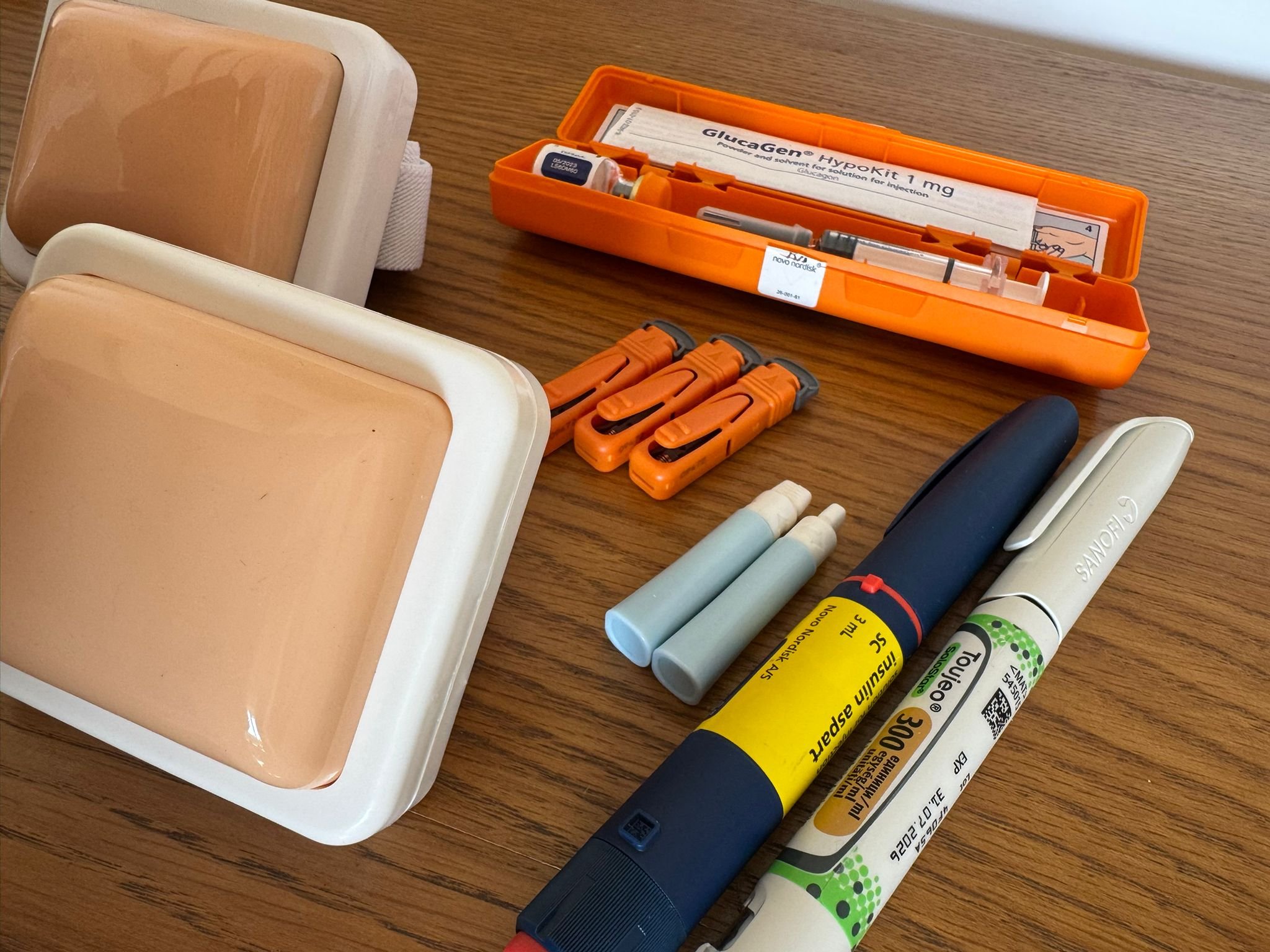
What The Diabetes Training Covers
Understanding Type 1 and Type 2 diabetes
Blood glucose monitoring and safe testing procedures
Continuous glucose monitoring devices (Libre, Dexcom, Medtronic Guardian)
Interpreting blood sugar readings
Recognising and responding to hypoglycaemia (low blood sugar)
Recognising and responding to hyperglycaemia (high blood sugar)
Insulin awareness and insulin administration
Safe storage and handling of insulin
Injection techniques and rotation of injection sites
(No sharps are used during training.)Medication awareness relevant to diabetes care
Escalation procedures and when to seek medical advice
Supporting individuals with diabetes in community or care settings
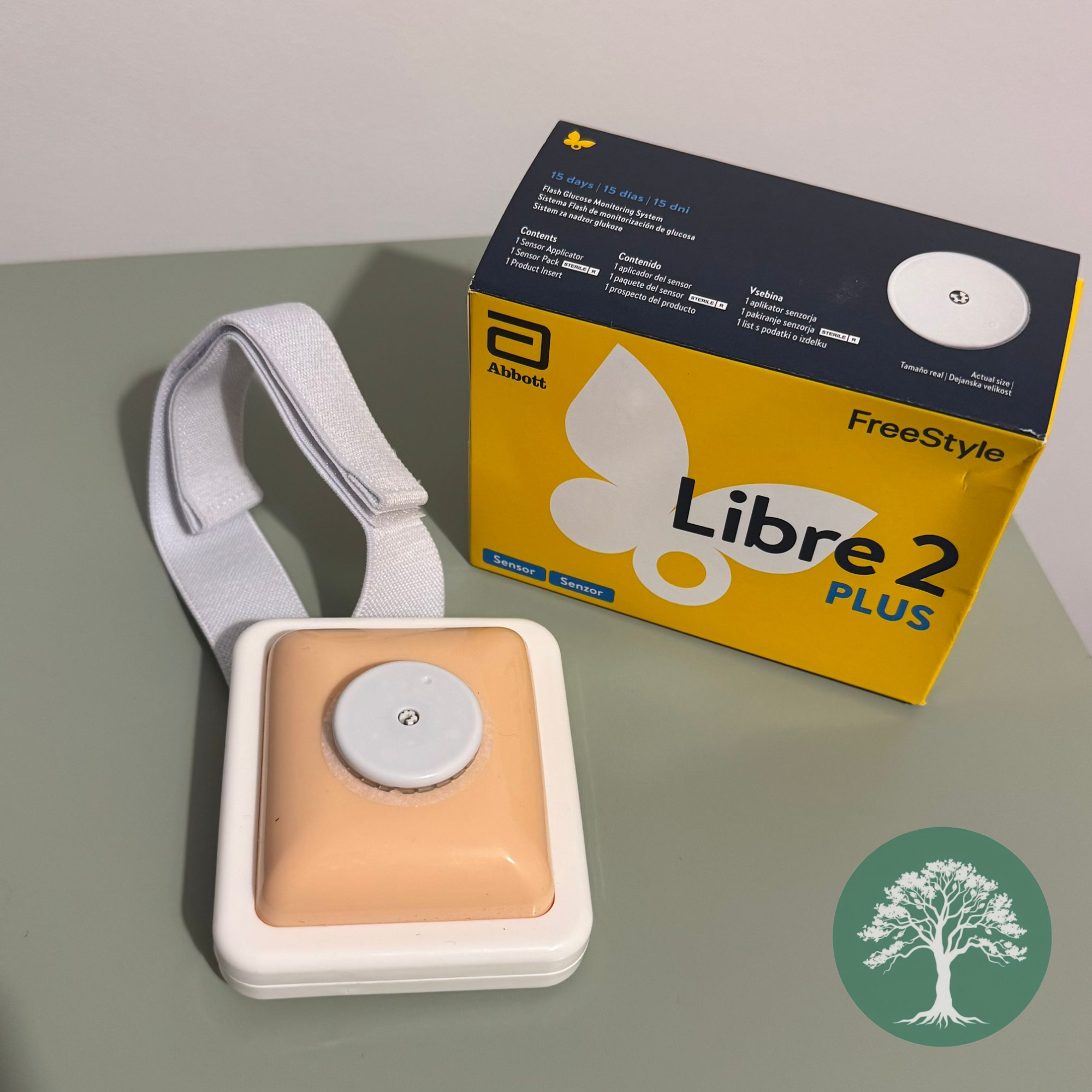
Who This Training is Suitable For
Support workers, healthcare assistants and carers
Registered nurses
School or community-based care teams
Case management teams arranging client specific training
CQC Care providers supporting individuals with diabetes
Directly employed care teams needing new or annual refresher training
Families supporting relatives with diabetes
Understanding Diabetes
Diabetes is a long-term condition that affects how the body regulates blood glucose (blood sugar). It occurs when the body does not produce enough insulin, or cannot use insulin effectively.
Without proper management, blood glucose levels can become too high or too low, which can lead to health complications. People living with diabetes may require blood glucose monitoring, medication or insulin therapy to manage their condition safely.
Healthcare staff supporting individuals with diabetes should understand how to recognise changes in blood glucose levels and respond appropriately to maintain safe care.
Diabetes training can also be delivered as part of client-centred training, allowing sessions to focus on the specific needs, care plans, and techniques required to support individual clients. This training works alongside Aspire Clinical Education’s medication training to support safe practice when caring for individuals with diabetes.
-
Yes. Training can be tailored to the care needs and clinical considerations of the individual client. This helps ensure the training is relevant to the care team and reflects the environment in which care is delivered.
Relevant care plans may be requested ahead of the session to support preparation where appropriate.
-
Training focuses on practical understanding to help learners feel confident monitoring blood sugars and administering subcutaneous insulin.
-
Training can be delivered:
• At the care provider’s premises
• Within community settings
• At a suitable venue organised by the providerDelivery options can be discussed depending on the needs of the organisation and care package.
-
Yes. Learners attending training receive a certificate of attendance.
-
Yes. Diabetes training is suitable for teams working in community, home care and other care settings.
Diabetes Training – Frequently Asked Questions
FREQUENTLY ASKED QUESTIONS
Explore Related Training
FACE -TO-FACE · NURSE-LED · SMALL GROUPS

Need training tailored to your team or client?
I offer fully bespoke, client-centred training. I gather information beforehand so every session is completely personalised.
Let’s talk about your diabetes training needs
GET IN TOUCH
Whether you are looking for bespoke training for your team or just want to find out more! I'd love to hear from you.
PHONE

RESPONSE TIME
Usually within 24 hours