
Practical Complex Care and Clinical Skills Training
COMPLEX CARE AND CLINICAL SKILLS
Specialist complex care training for nurses, carers and healthcare professionals supporting individuals with complex health needs in community and home care settings. Training focuses on developing practical clinical skills, recognising deterioration and safely managing specialist equipment.
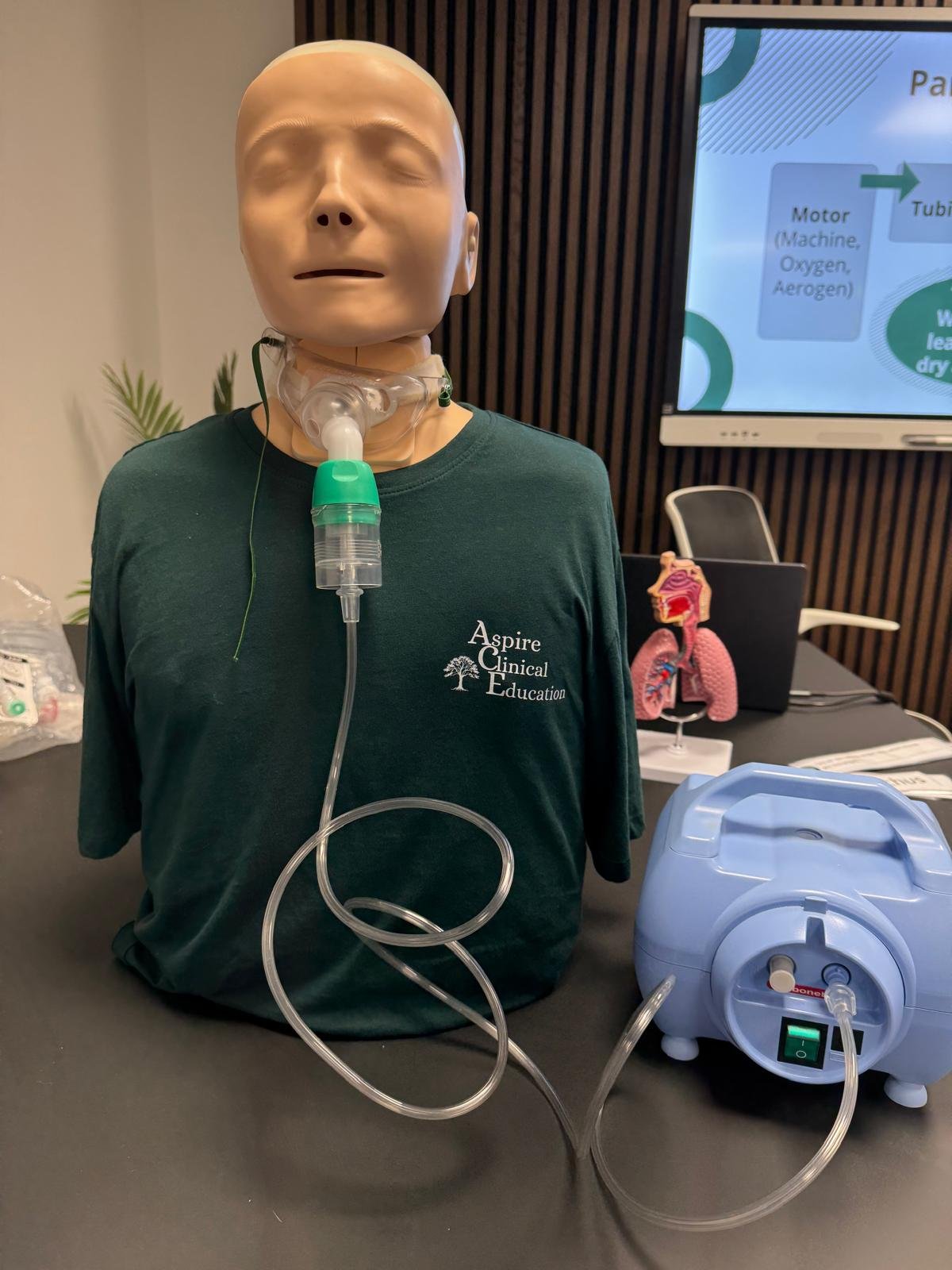
Complex Respiratory Skills Training
Workshops Accredited by the CPD Standards Office
Practical respiratory care training covering safe care, recognising deterioration, correct use of equipment and developing confidence in responding to respiratory concerns.
Tracheostomy
Ventilation
Nebulisers and Inhalers
Cough Assist
Suctioning
Oxygen
Recognising Respiratory Distress
Emergency Respiratory Support
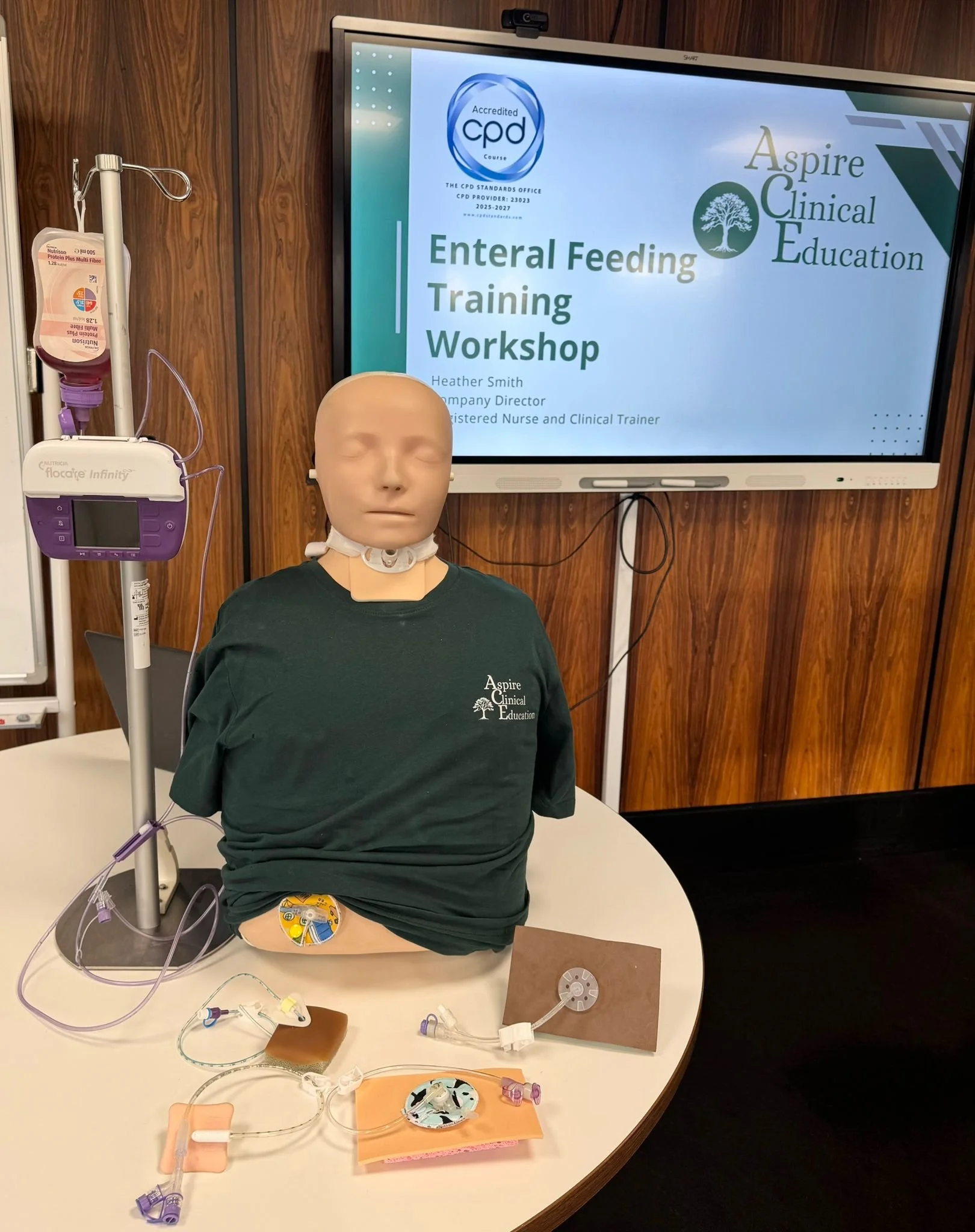
Enteral PEG Feeding Training
Workshop Accredited by the CPD Standards Office
Practical enteral feeding training covering PEG and gastrostomy care, feeding systems, medication administration and complication management.
PEG / NG / Mic-key button care
Balloon gastrostomy/ jejunostomy care
pH testing
Bolus feeding
Pump feeding
Medication administration via gastrostomy
Complications and escalation
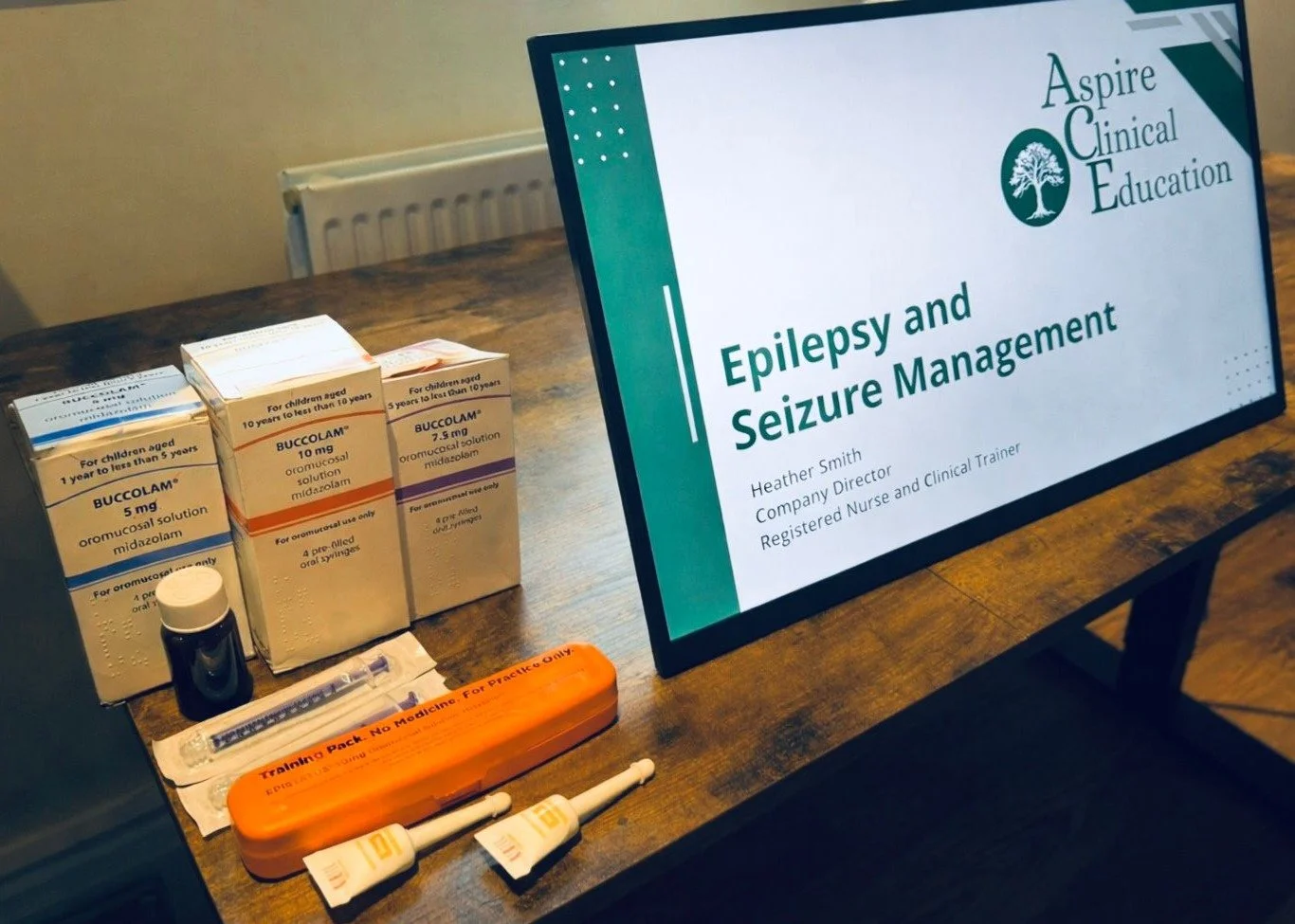
Epilepsy, Seizure Management and Rescue Medications Training
Epilepsy training covering seizure recognition, first aid, rescue medication administration and emergency escalation.
Recognising different seizure types
Seizure first aid
Buccal midazolam administration
Rectal diazepam/paraldehyde administration
Seizure record charts
Treatment of epilepsy
Vagus nerve stimulation
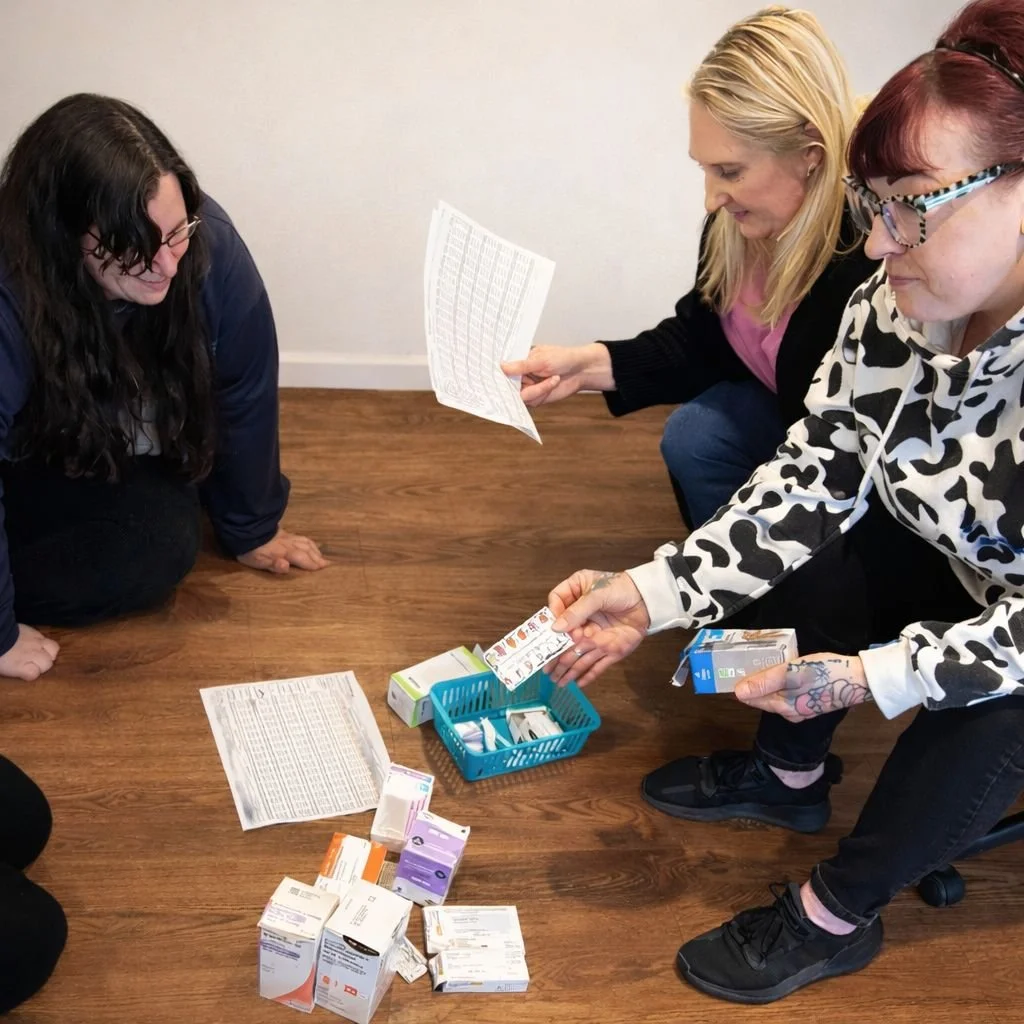
Medication Administration Training
Medication administration training covering safe practice, routes of administration, medicines management and accountability.
Responsibilities within Medication Management
Types of Medication and their Uses
Routes of Administration
MAR Charts
Administration of Medications via Feeding Tubes
Medication Errors, Escalation and Reporting
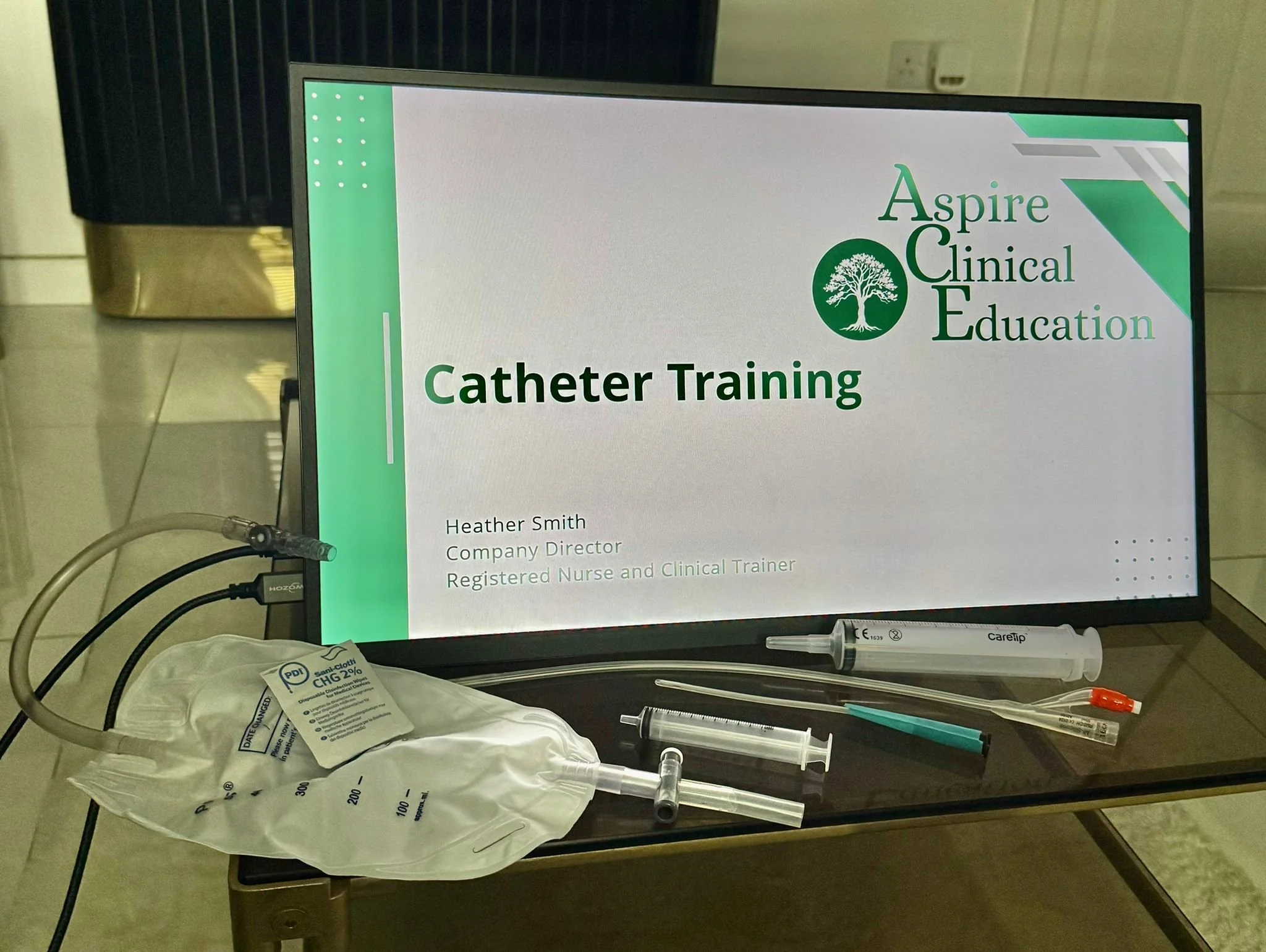
Catheter Care Training
Catheter care training covering suprapubic, intermittent and indwelling catheters, routine care and complication recognition.
Indwelling Urethral Catheters
Suprapubic Catheters
Intermittent Catheterisation
Cystostomy Buttons
Catheter equipment and drainage systems
Monitoring urine output and recognising abnormalities
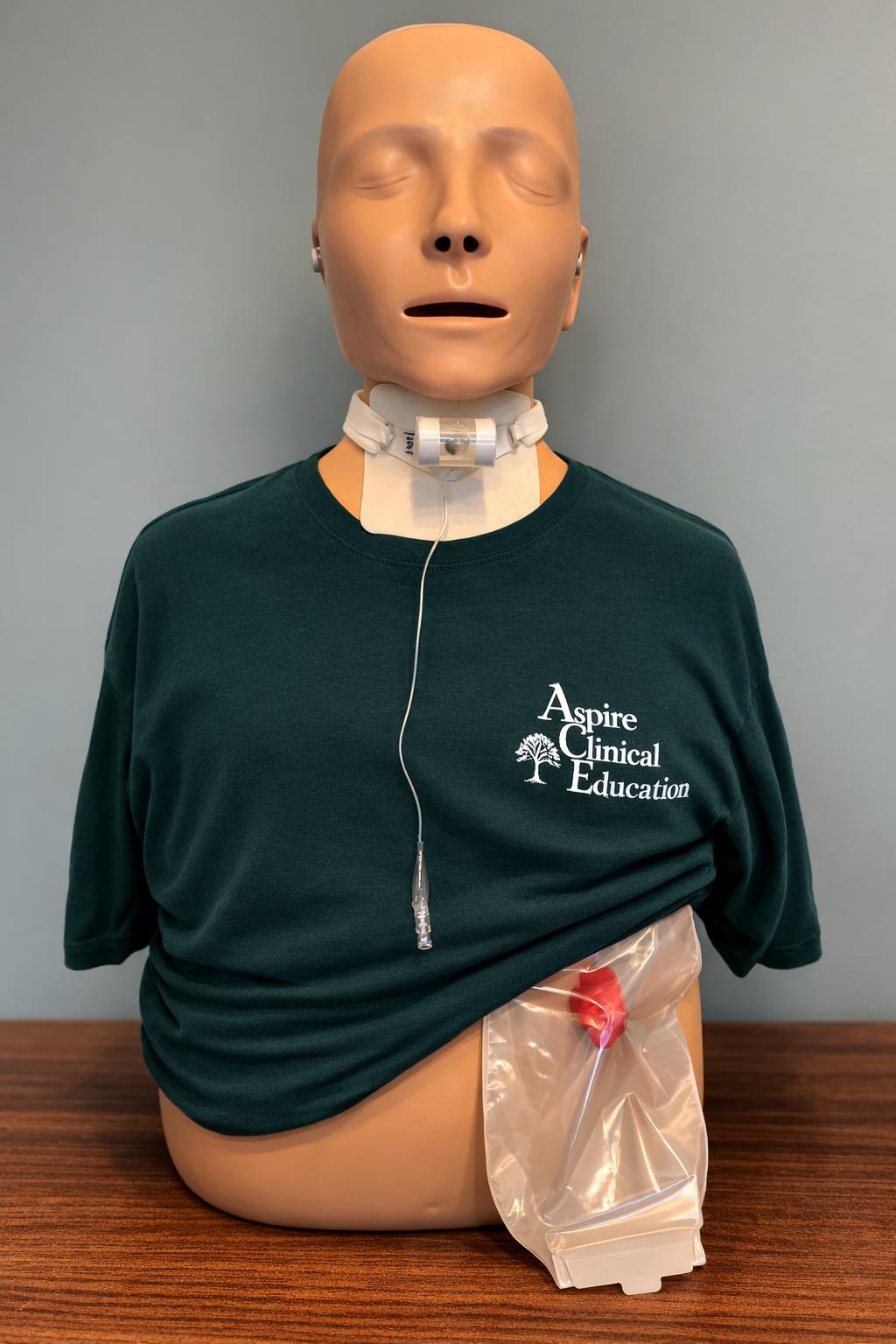
Stoma Care - Ileostomy, Colostomy and Urostomy Training
Stoma care training covering routine care, monitoring stoma function and recognising complications.
Types of Stomas (Colostomy, Ileostomy, Urostomy)
Understanding Stoma Appliances and Equipment
Routine Stoma Care and Hygiene
Changing and Emptying Stoma Bags
Maintaining Skin Integrity and Preventing Irritation
Recognising Common Complications
Monitoring Stoma Output and Abnormalities
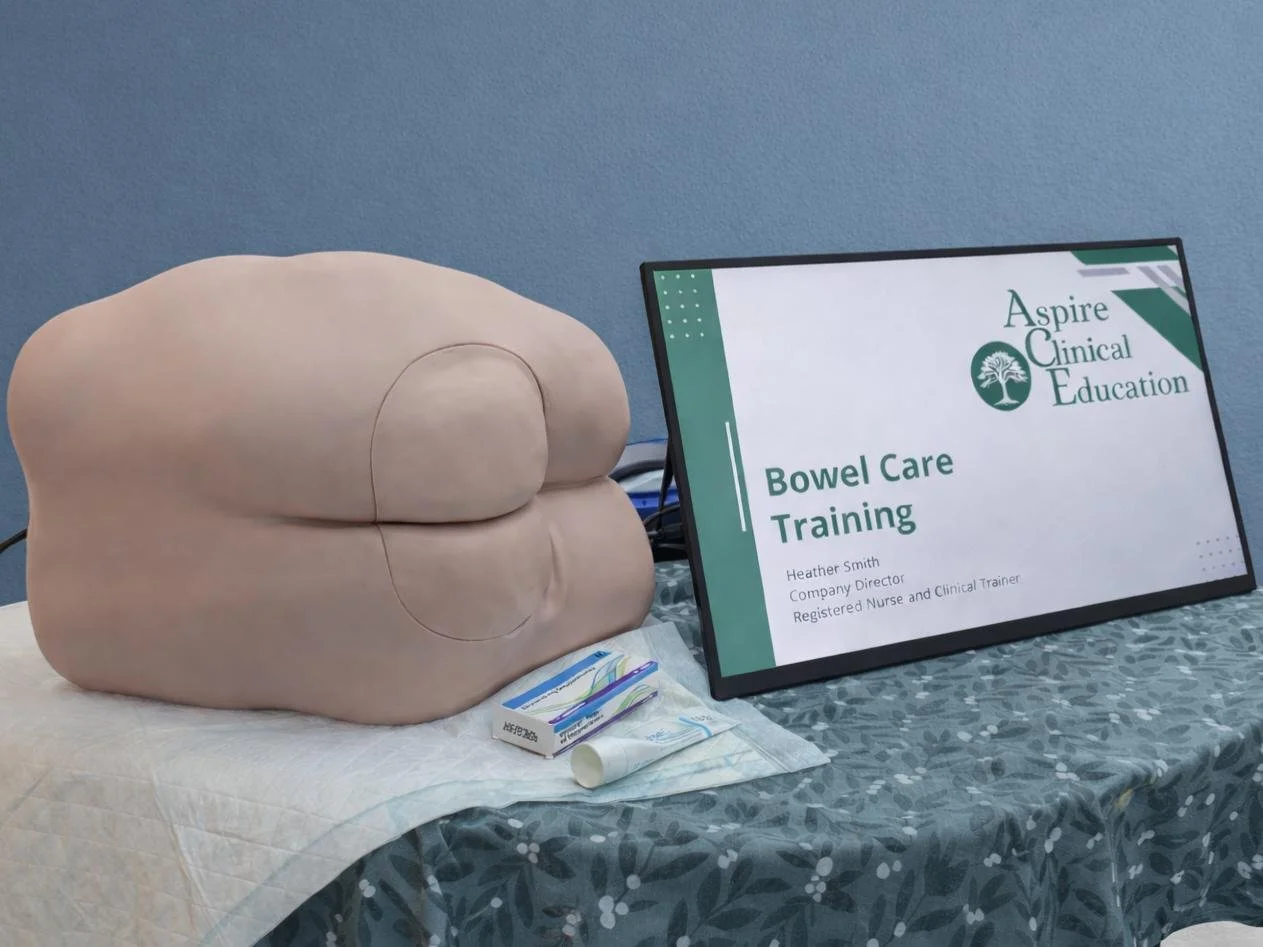
Bowel Care Training
(Enema, Suppository, Manual Evacuation, Digital Rectal Stimulation)
Bowel care training covering bowel care techniques and promoting healthy bowel care habits.
Monitoring bowel patterns and recognising constipation or diarrhoea
Administration of rectal medications
Use of suppositories and enemas
Digital rectal examination (DRE)
Digital rectal stimulation (DRS)
Digital removal of faeces (DRF) (Manual Evacuation)
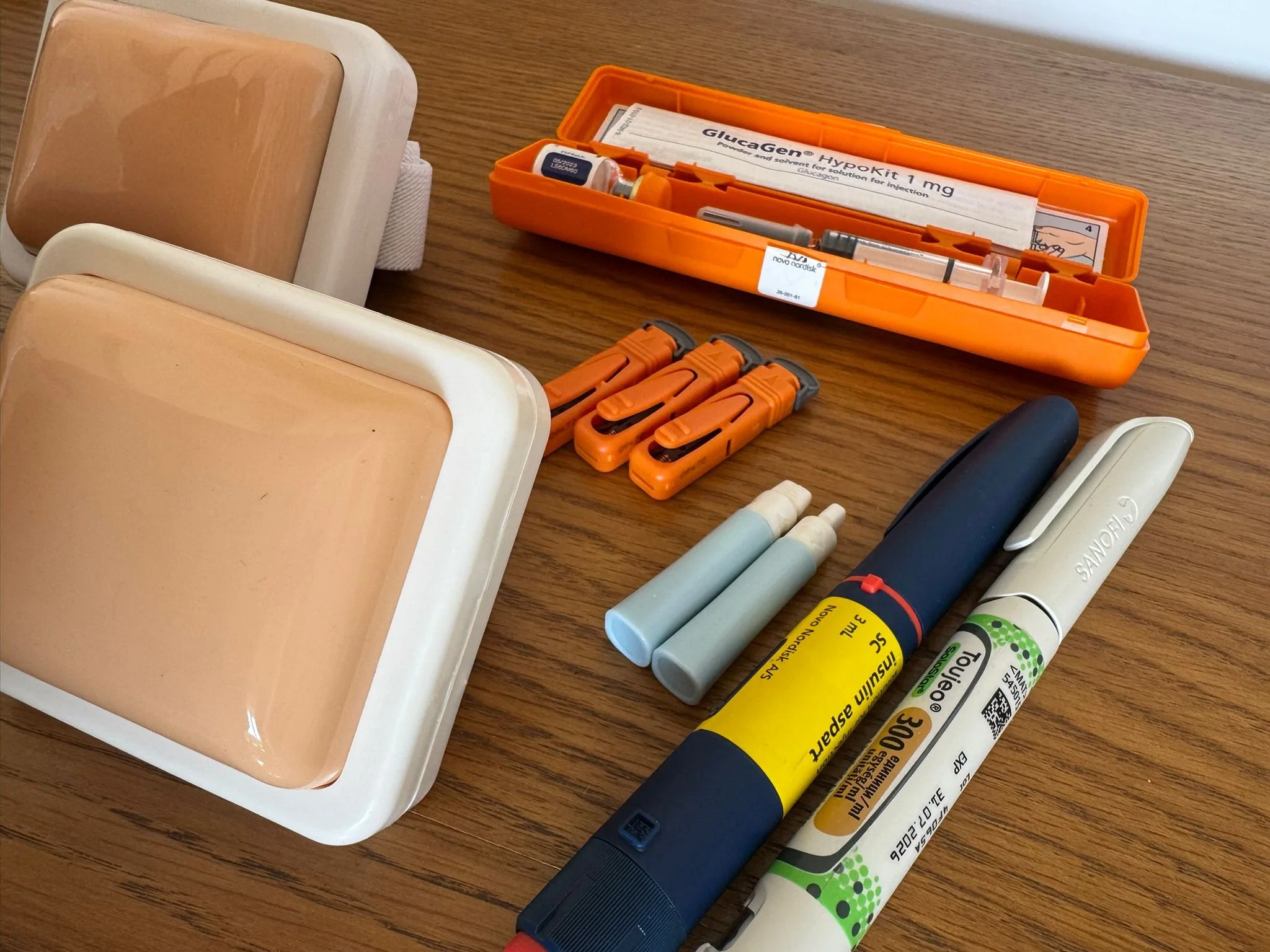
Diabetes and Insulin Administration Training
Diabetes training covering monitoring blood glucose, recognising complications, and supporting safe diabetes management.
Understanding diabetes (Type 1 and Type 2)
Blood glucose monitoring and interpretation
Recognising and responding to hypoglycaemia
Recognising and responding to hyperglycaemia
Insulin administration and injection techniques
Understanding diet and the impact on blood glucose
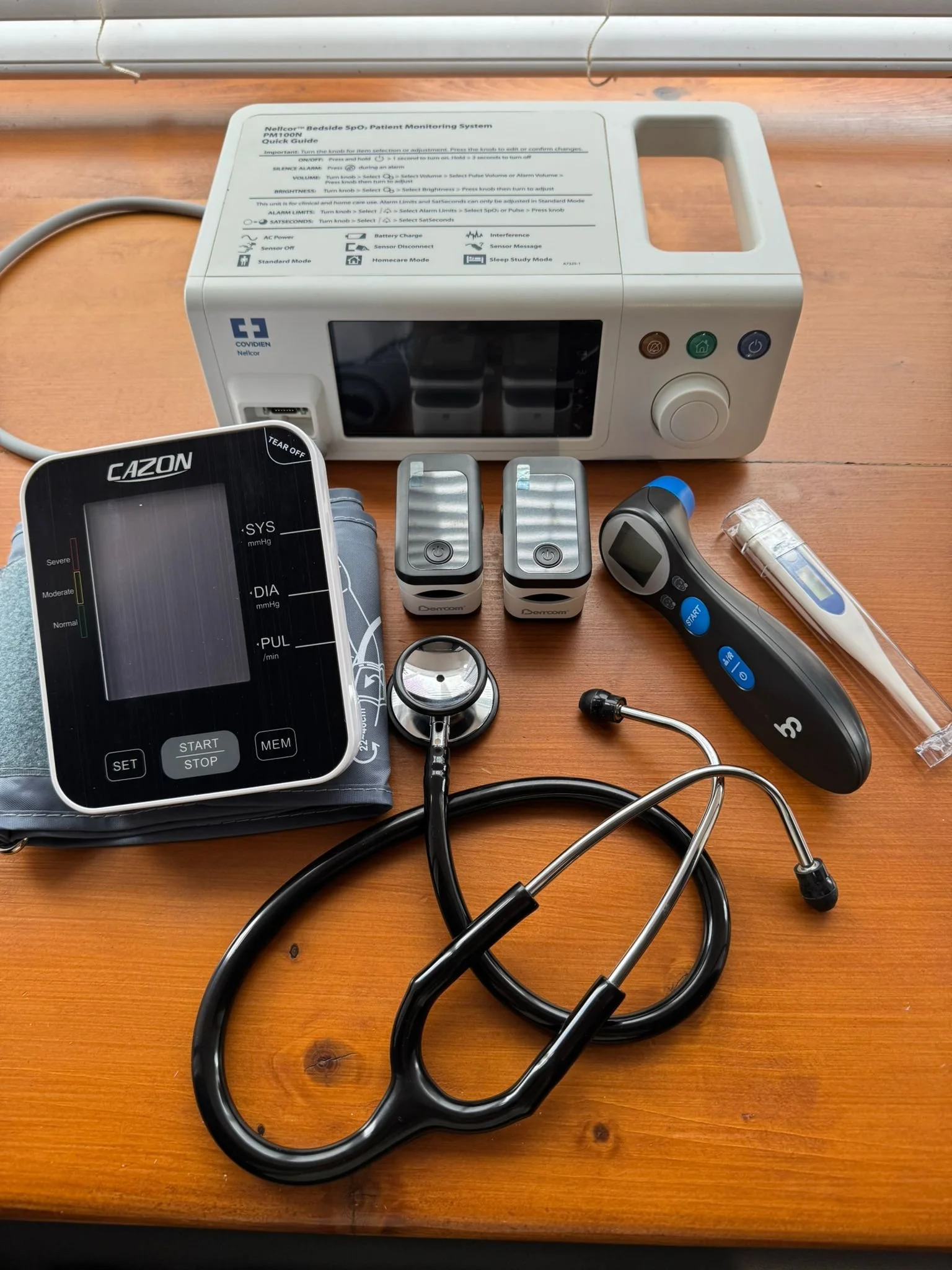
Vital Observations Monitoring and Recognising Deterioration Training
Training covering vital signs monitoring, early signs of deterioration and responding to clinical concerns.
Understanding the purpose of vital observations
Measuring respiratory rate, pulse, blood pressure, temperature and oxygen saturation
Understanding normal ranges and recognising abnormalities
Identifying early signs of clinical deterioration
Communication and escalation of concerns
Conditions and Care Needs Covered in Complex Care Training
Training frequently supports care teams working with individuals who have complex neurological, respiratory or physical health needs.
Motor Neurone Disease (MND)
Spinal Cord Injury (SCI)
Muscular Dystrophy
Cerebral Palsy
Complex neurological conditions
Acquired Brain Injury
Clinical Training Delivered by an Experienced Registered Nurse
This clinical skills training is delivered by a registered nurse with extensive experience in intensive care and complex care within the community. This clinical background allows training to be grounded in real-world care practice, supporting carers and nurses to develop safe, confident skills when supporting individuals with complex health needs.
Training Can Be Tailored to Individual Clients
Training can be tailored to the specific needs of an individual client and their care package. This ensures that care teams receive relevant, practical education that reflects the equipment, care plans and clinical risks involved in that person’s care.
Discuss Your Training Requirements
If you are looking for complex care training for your team or care package, please get in touch to discuss your requirements. Training can be arranged for individual clients, small care teams or organisations and can be tailored to meet the specific clinical needs involved.
Explore Related Training
FACE -TO-FACE · NURSE-LED · SMALL GROUPS

Need training tailored to your team or client?
I offer fully bespoke, client-centred training. I gather information beforehand so every session is completely personalised.
Let’s talk about your training needs
GET IN TOUCH
Whether you're booking a place on an open course, looking for bespoke training for your team, or just want to find out more! I'd love to hear from you.
PHONE

RESPONSE TIME
Usually within 24 hours