
Epilepsy, Seizure Management and Rescue Medication Training
FACE TO FACE EPILEPSY TRAINING
This epilepsy training supports care staff and healthcare professionals in recognising seizures, providing appropriate seizure first aid, and safely administering prescribed rescue medications where required.
Training is practical, person-centred, and designed to help staff understand seizure presentation, first aid responses, and the safe use of prescribed rescue medications such as buccal midazolam, rectal diazepam, and paraldehyde.
Duration: 3 Hours
Format: Face to Face Practical Training
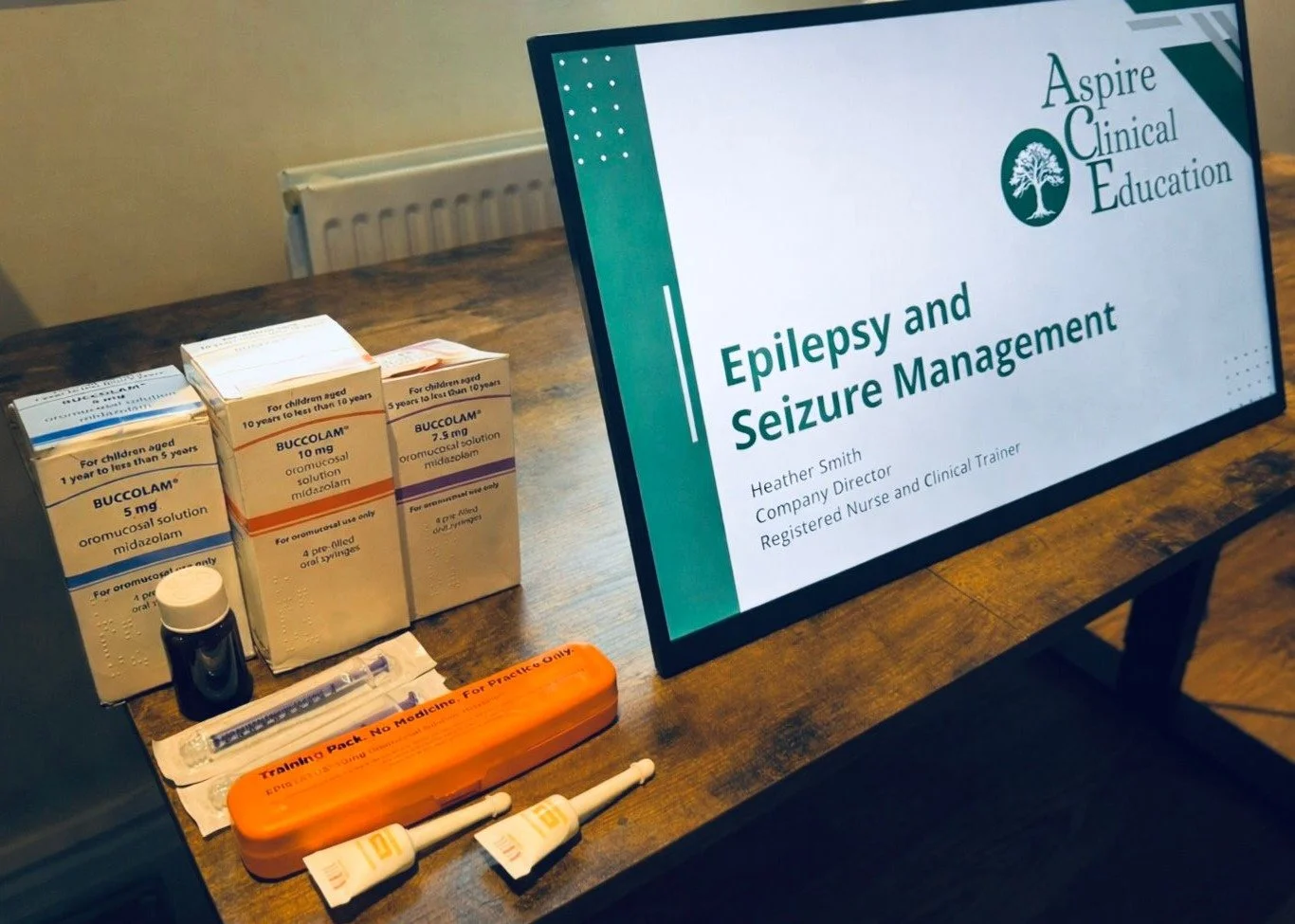
Treatment options and management of epilepsy
Medication used to control seizures
Vagus nerve stimulation
Documentation + Importance of recording seizures
Emergency rescue medications and prescriptions
Seizure care plans
Roles of staff
Practical: Safe and correct administration of buccal midazolam
Practical: Safe administration of rectal paraldehyde / rectal diazepam
Practical: The recovery position
What This Epilepsy and Seizure Management Training Covers
What is epilepsy / What is a seizure
Epilepsy facts
Causes + Diagnosis of epilepsy
Triggers for seizures
Focal seizures
Generalised seizures (absence, myoclonic, tonic, atonic, tonic clonic)
First aid for seizures
Status epilepticus
Living with epilepsy
SUDEP (Sudden unexpected death in epilepsy)
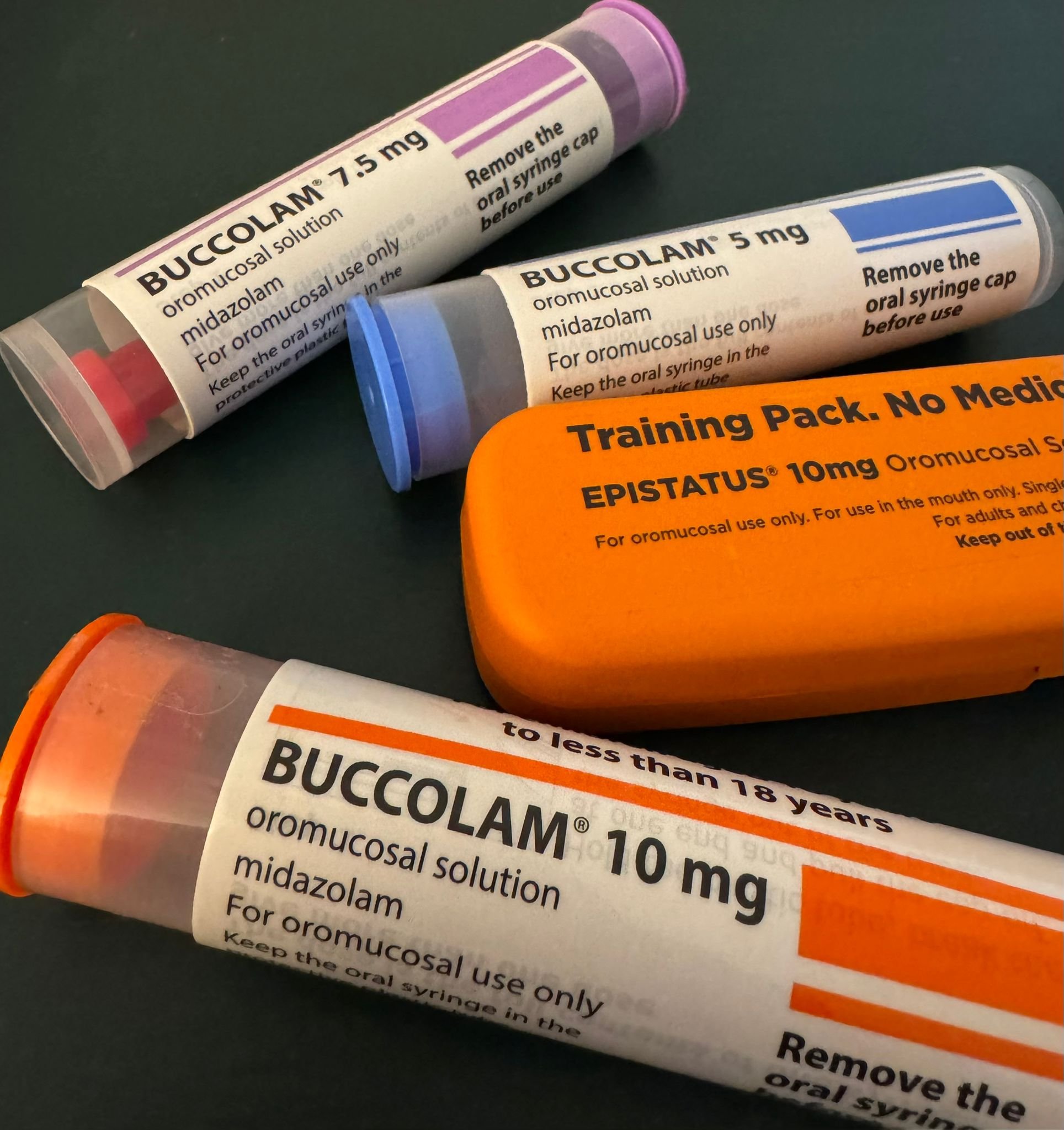
Buccal Midazolam Administration (Buccolam/Epistatus)
• Indications for use
• Required checks before administration
• Safe administration technique
• Monitoring following administration
• Post-administration observations
• Escalation and emergency response
• Documentation and reporting requirements
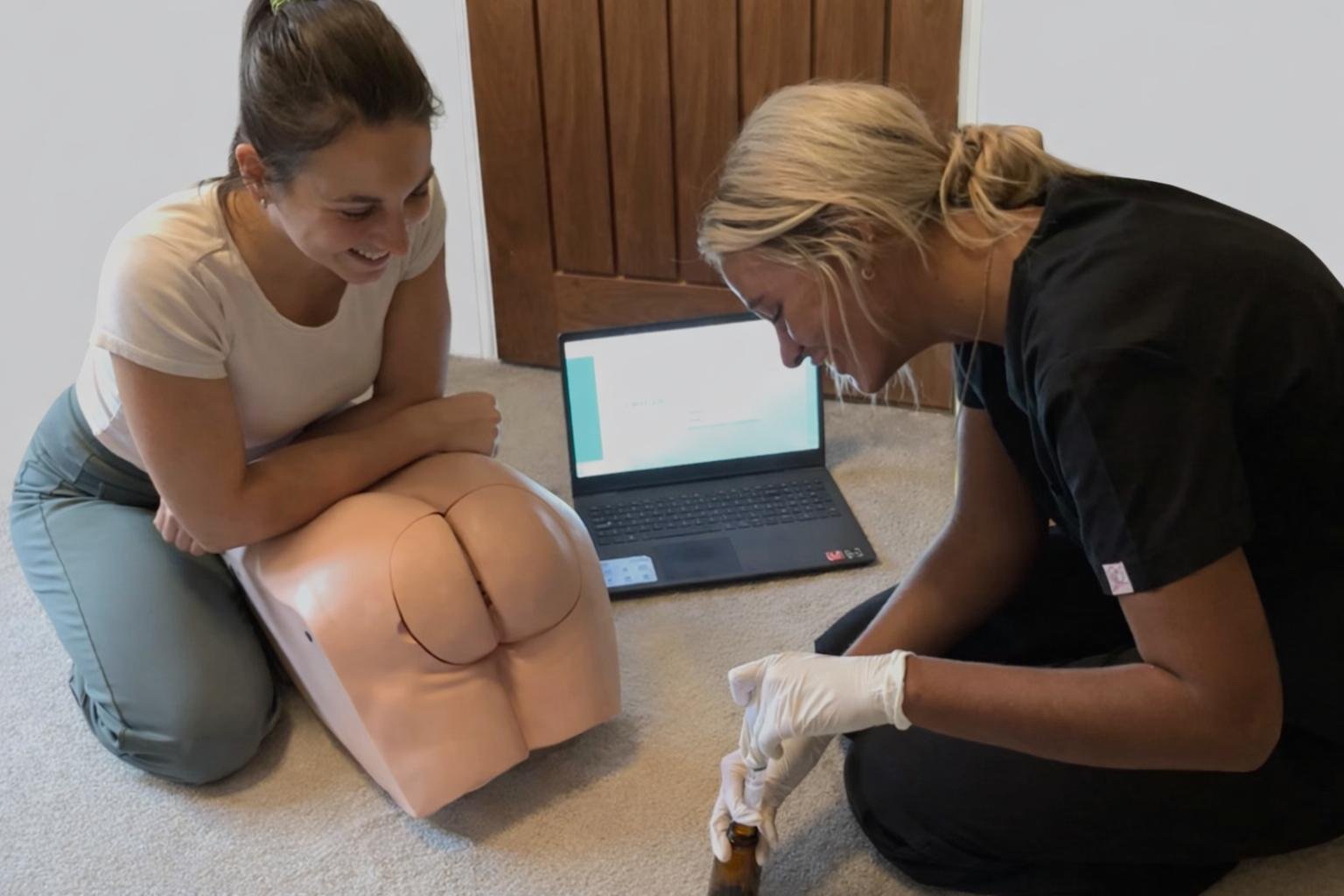
Rectal Paraldehyde Administration
• What paraldehyde is and when it is used
• Indications for administration
• Following the individual seizure protocol
• Safe preparation and administration technique
• Dignity and infection control considerations
• Monitoring following administration
• Documentation and reporting requirements
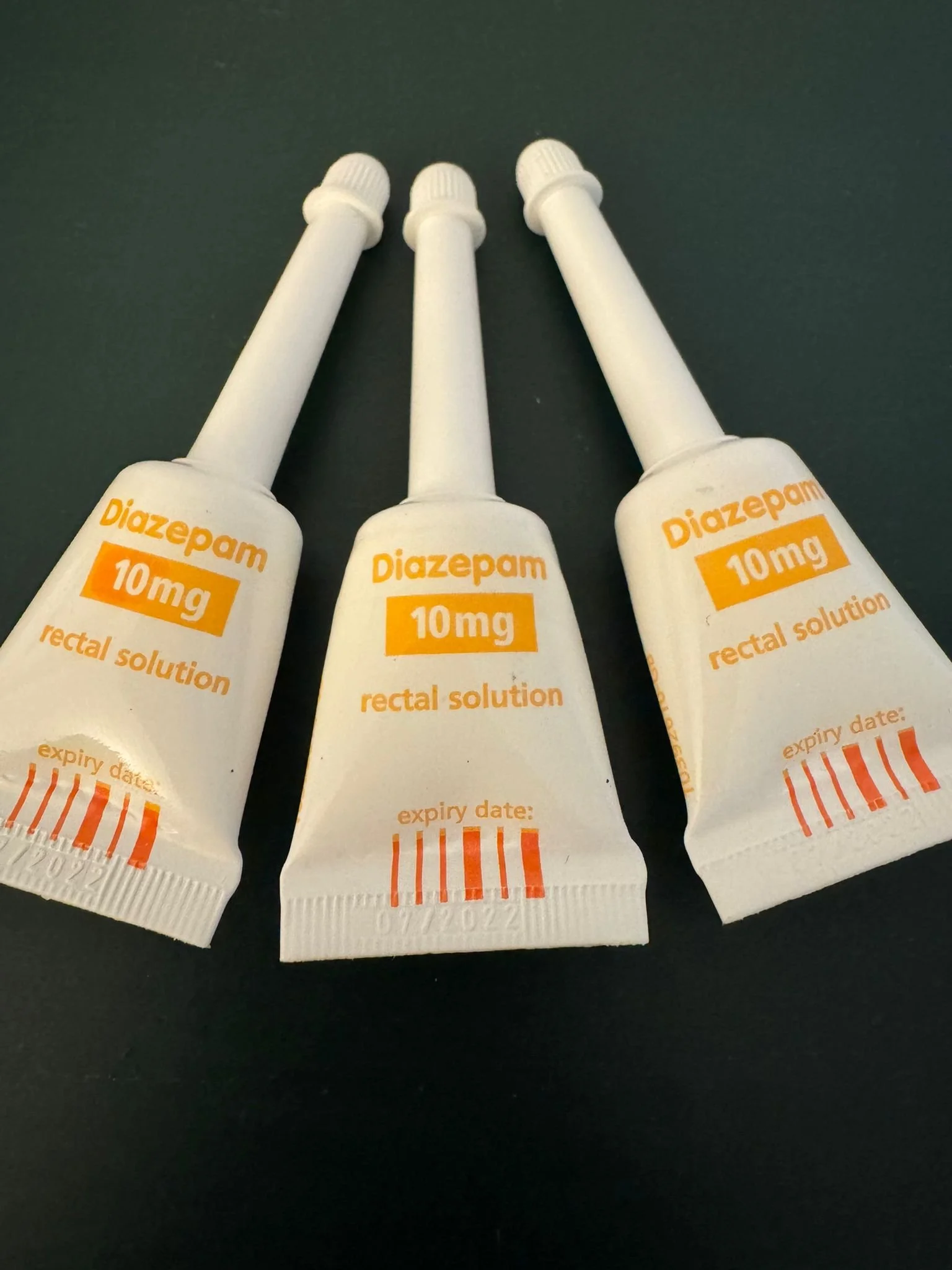
Rectal Diazepam Administration
• Indications for use
• Required checks before administration
• Safe administration technique
• Dignity and privacy considerations
• Monitoring following administration
• Post-administration observations
• Escalation and emergency response
• Documentation and reporting requirements
Who This Training is Suitable For
Support workers and carers in complex care packages
Registered nurses working in community settings
School or community-based care teams
Healthcare assistants supporting individuals with epilepsy
Case management teams arranging client specific training
Care providers supporting individuals with seizures
Directly employed care teams needing new or annual refresher training
Families supporting relatives with epilepsy
Understanding Epilepsy and Seizures
Epilepsy is a neurological condition that causes recurrent seizures due to abnormal electrical activity in the brain. Seizures can present in many different ways depending on the individual and the type of epilepsy they have.
Epilepsy and Seizure Management training helps care teams understand seizure presentation, appropriate first aid responses, and when emergency escalation may be required.
Training such as Medication Administration Training can complement epilepsy training when teams are supporting individuals with complex needs and rescue medications.
-
Yes. Training can be tailored to the care needs and clinical considerations of the individual client. This helps ensure the training is relevant to the care team and reflects the environment in which care is delivered.
Relevant care plans may be requested ahead of the session to support preparation where appropriate.
-
Training provides the knowledge and practical understanding required to support individuals with epilepsy. However, competency sign-off and authorisation to administer rescue medication must always follow the employing organisation’s governance processes and the individual’s prescribed protocol.
-
Yes. Aspire Clinical Education training focuses on practical understanding and real-life scenarios to help learners feel confident recognising seizures and responding appropriately
-
Training can be delivered:
• At the care provider’s premises
• Within community settings
• At a suitable venue organised by the providerDelivery options can be discussed depending on the needs of the organisation and care package.
-
Yes. Learners attending training receive a certificate of attendance.
Epilepsy Training – Frequently Asked Questions
FREQUENTLY ASKED QUESTIONS
Explore Related Training
FACE -TO-FACE · NURSE-LED · SMALL GROUPS

Need training tailored to your team or client?
I offer fully bespoke, client-centred training. I gather information beforehand so every session is completely personalised.
Let’s talk about your epilepsy training needs
GET IN TOUCH
Whether you are looking for bespoke training for your team or just want to find out more! I'd love to hear from you.
PHONE


RESPONSE TIME
Usually within 24 hours