
BESPOKE TAILORED TRAINING
Client - Centred
Training
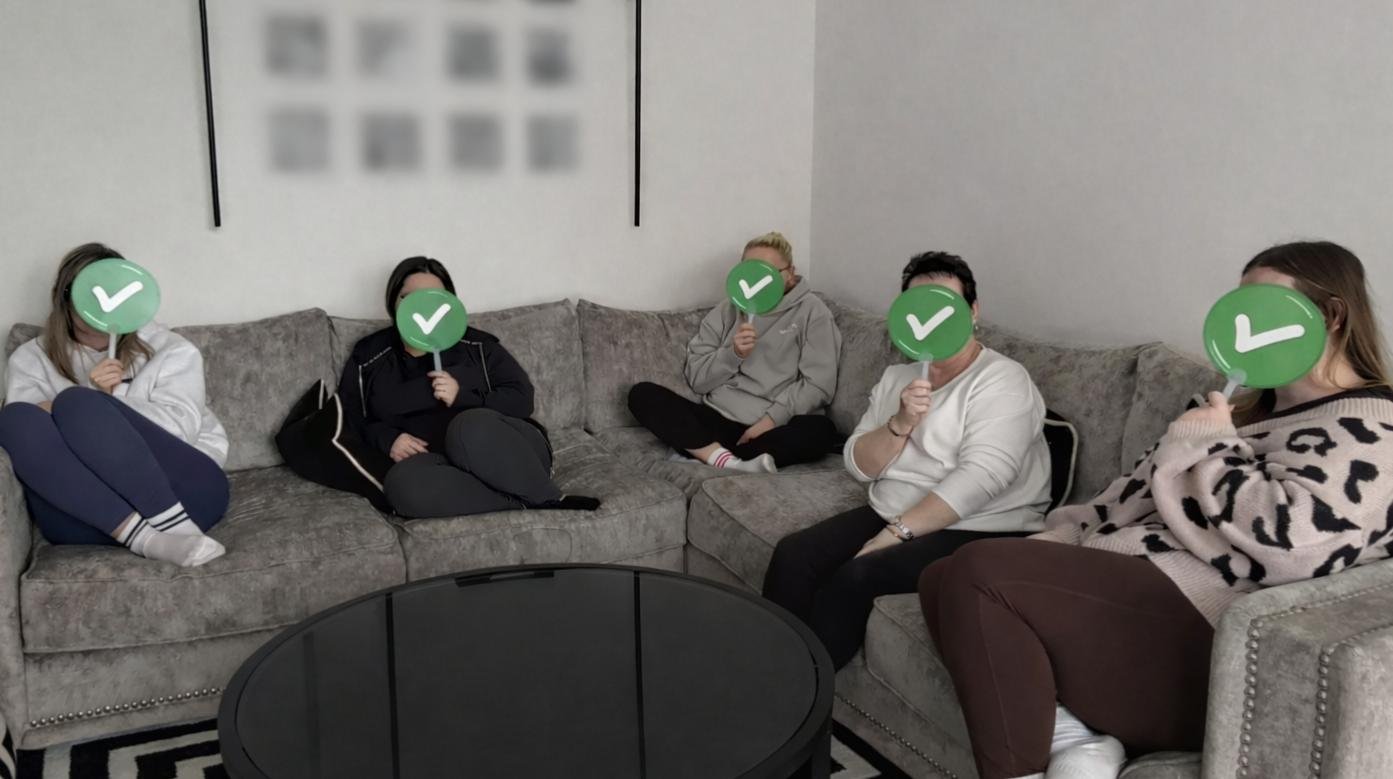
Sessions are adapted to reflect the client’s routines, equipment, care requirements and preferences, helping teams deliver person-centred, safe and consistent care.
What is Client-Centred Training?
Client-centred training is designed specifically around the person receiving care. Rather than delivering general training alone, sessions are adapted to reflect the client’s individual needs, diagnosis, equipment, daily routines, communication, risks and care requirements. This helps make training more relevant, relatable and immediately applicable for the team providing support.
Training can consider:
the client’s diagnosis and clinical needs
their daily routines and preferences
specific care tasks carried out by the team
equipment used in the client’s care
potential risks or complications relevant to the client
the care environment where support is delivered
the experience and confidence of the care team
Who is this Service for?
New client package mobilisation
Directly employed teams
Case manager teams
CQC care provider teams
PHB funded staff teams
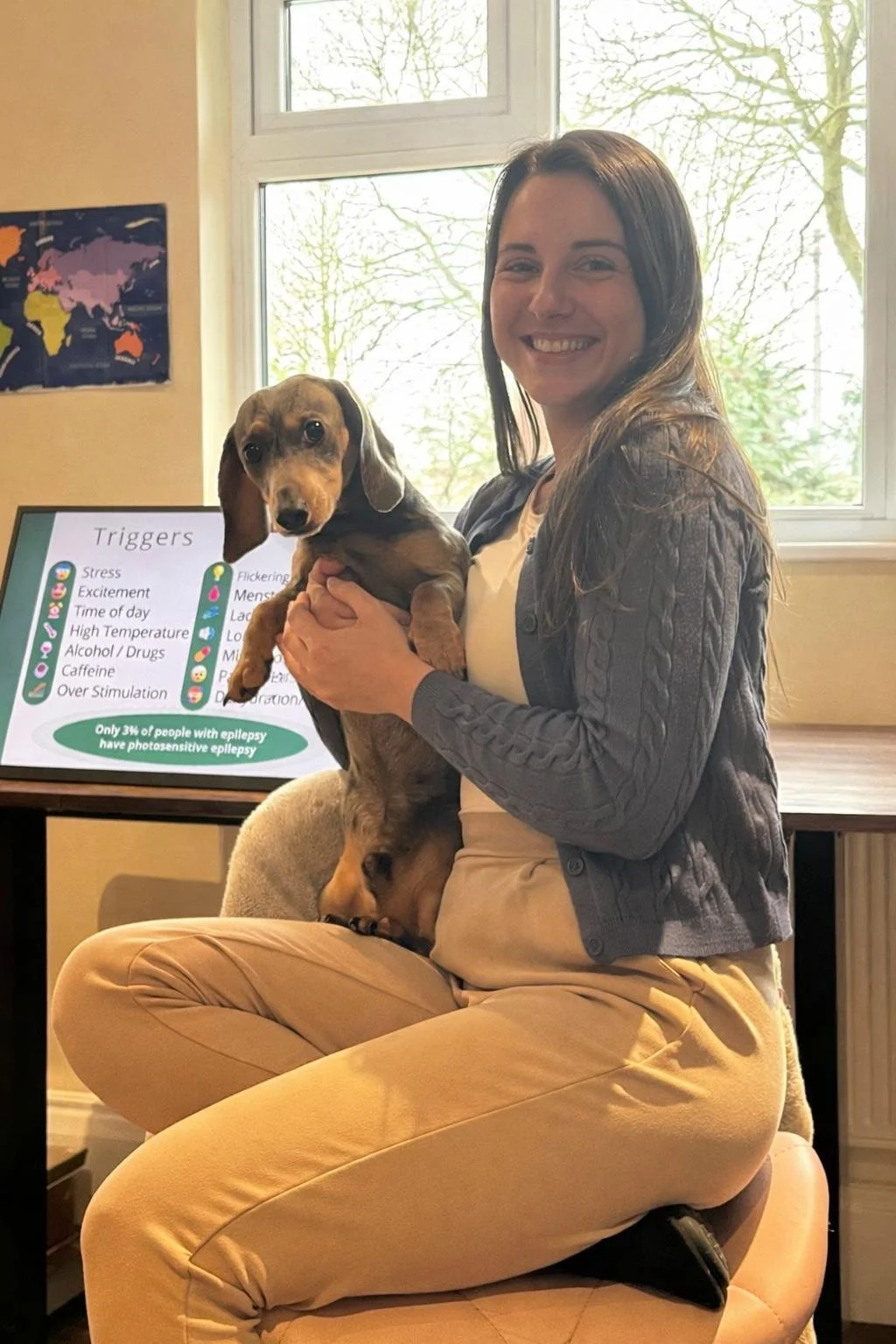
Families (+ pets!)
Why Client-Centred Training Matters
Bespoke training that is tailored to the individual receiving care helps ensure information is directly relevant to the team providing care. When staff fully understand the client’s specific needs, routines and equipment, they are better able to apply their knowledge confidently and consistently in practice.
Client-centred training can help:
improve confidence when carrying out care tasks
promote consistency across the care team
support safer practice in complex care environments
help staff understand the reasons behind specific care approaches
reduce uncertainty when responding to complications or changes
encourage a more person-centred approach to care
encourage team discussions and clarify queries within teams
By linking training directly to the individual’s care plan, needs and environment, learning becomes easier to apply in day-to-day practice.
How Training is Tailored to the Client
Once the training subjects have been agreed, Heather will request any relevant care plans for review.* She may also arrange a video or telephone call with a nominated person, such as a team leader, manager, family member or the client themselves, to ask questions and gather relevant information before the training session.
This preparation helps ensure the training reflects the client’s individual care needs, clinical requirements, routines, equipment and identified risks, and is relevant to the team supporting them.
New package mobilisation? Heather can review the client’s care needs and develop a bespoke training package covering the areas of care the team will be required to support.
*Consent is required before any care plans or other personal or health information are shared, and the relevant consent form must be completed.
How Training is Delivered
Training can be adapted to suit the size of the team, the experience of attendees and the complexity of the client’s care needs.
Training includes:
face-to-face training delivered at a suitable venue or in the client’s home
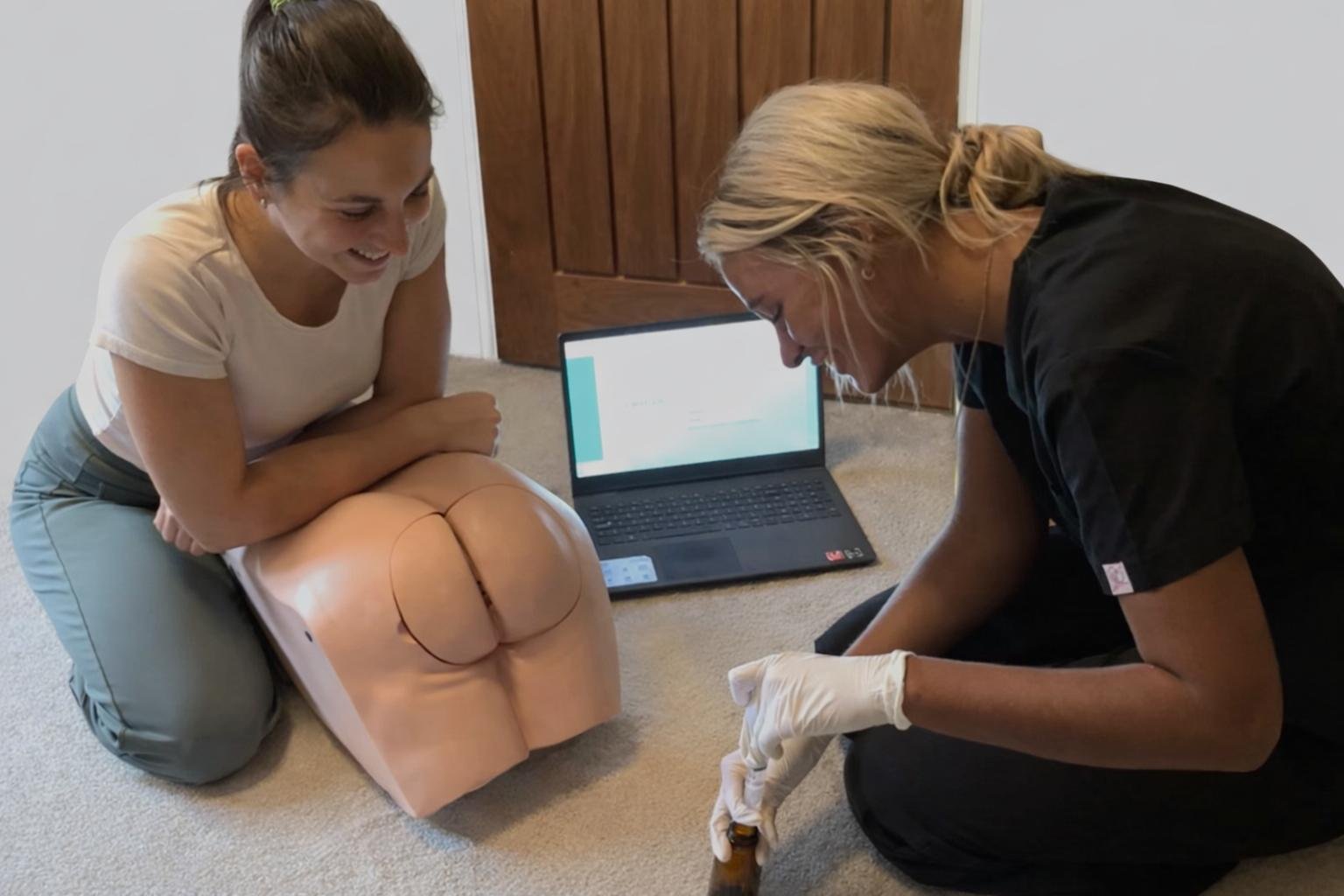
a combination of theory, discussion and practical demonstration
small group sessions limited to 10 learners to allow time for questions and discussion
opportunities to practise relevant skills in a supported environment
certificates provided to attendees following completion of the session
Conditions and Care Needs Supported
Training can be tailored to the individual client, recognising that complex health and care needs vary from person to person.
Conditions and care needs commonly supported include:
acquired brain injury (ABI)
spinal cord injury (SCI)
cerebral palsy (CP)
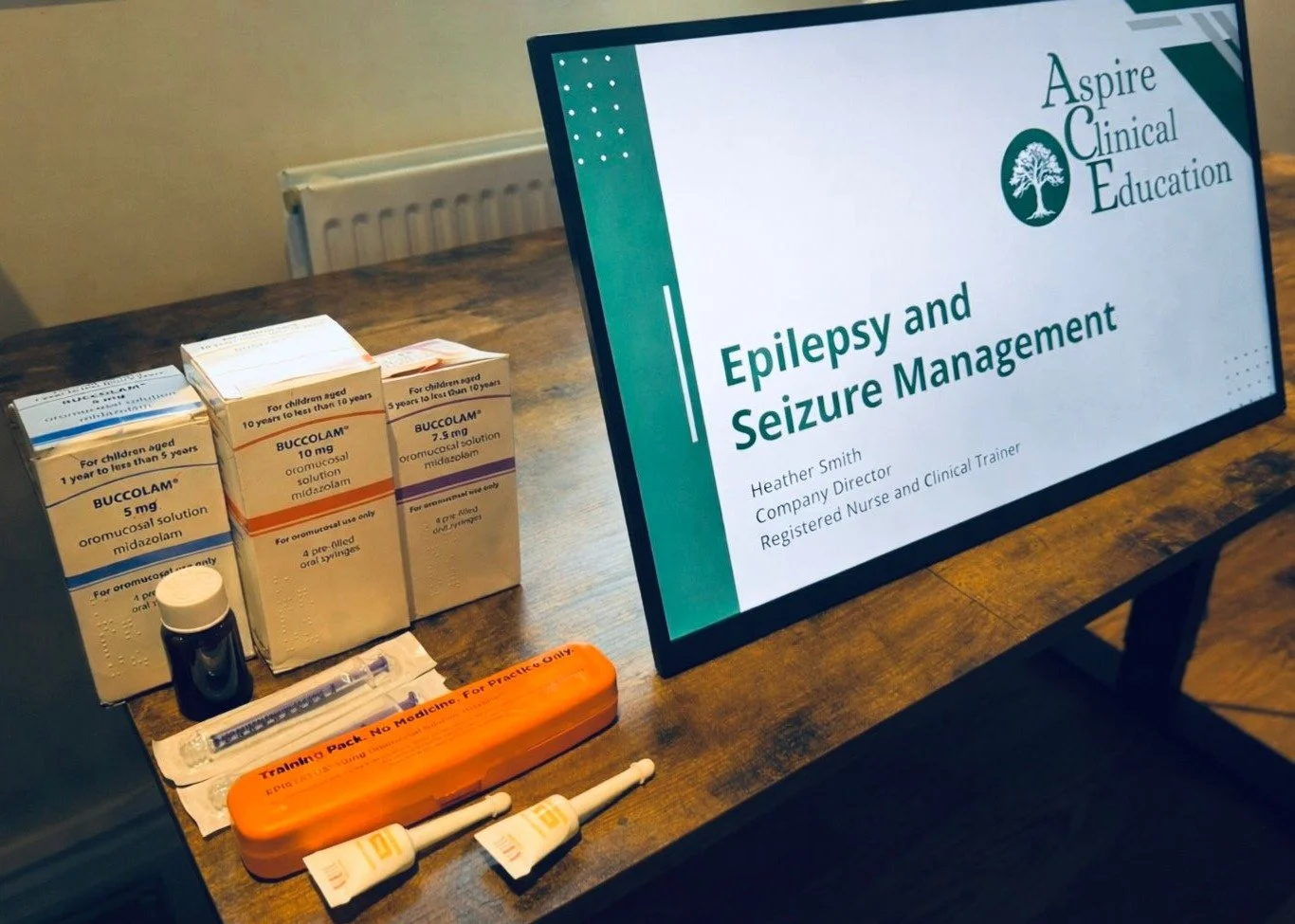
epilepsy and seizure disorders
enteral PEG feeding via gastrostomy or jejunostomy
complex medication administration
continence care, including catheter or bowel management
Neuromuscular conditions such as spinal muscular atrophy (SMA) or muscular dystrophy (DMD)
respiratory support needs, including tracheostomy, cough assist, suction, oxygen therapy or ventilation
FAQ SECTION
Frequently Asked Questions - Client Centred Training
-
Client-centred training is designed around the individual receiving care. Training sessions are adapted to reflect the client’s needs, routines, equipment and potential risks, helping ensure the information is relevant to the care team supporting them.
-
Training can be delivered for support workers, healthcare assistants, nurses, PA’s, family members and other members of the care team involved in supporting the client.
-
Yes. Training can be arranged when new care packages are starting, when a client’s needs change, or as refresher training for existing care teams.
-
Yes. Training can be tailored for care teams supporting individuals with complex care needs, including enteral feeding, respiratory support, seizure management, medication administration and other clinical care tasks commonly delivered in community settings.
-
Heather will review care plans, organise discussions and gather all information required to ensure training materials are relevant to the client’s care.
FROM HEATHER TO YOUR TEAM
Bespoke Clinical Training for Complex Care Teams
Not all care settings are the same. If you support clients with specific or complex care needs, a standard course may not always be the right fit. Heather offers fully bespoke, client-centred training packages designed around the individual receiving care and the team supporting them.
Before bespoke training is delivered, Heather will review relevant care information and, where appropriate, speak with you directly to gather person-centred information so each session reflects the client’s care needs, routines, equipment and preferences.
1) Get in touch
Talk to Heather about your team, your client and the areas of care you would like the training to cover.
2) Consultation visit or video call
Heather reviews relevant care information and gathers person-centred details to shape the content of your session.
3) Training delivered your way
Hands-on, practical training tailored to the client’s individual care needs to support safe, relevant and consistent practice
Explore Related Training
FACE -TO-FACE · NURSE-LED · SMALL GROUPS
Let’s talk about your client-centred training needs
GET IN TOUCH
Whether you're booking a place on an open course, looking for bespoke training for your team, or just want to find out more! I'd love to hear from you.
PHONE


RESPONSE TIME
Usually within 24 hours