
Tracheostomy care requires a high level of knowledge, practical skill and confidence to ensure patient safety.
This highly practical tracheostomy training supports nurses, carers, support workers and other healthcare professionals to safely care for individuals with a tracheostomy in community, home care and complex care settings.
Training focuses on routine care, airway management, recognising complications and emergency response, helping teams understand both the theory and practical skills required to support individuals safely.
Sessions can be delivered as stand-alone tracheostomy training or as part of a wider complex respiratory skills workshop.
Duration: 3-4 Hours
Format: Face to Face Practical Training
Tracheostomy Training
PRACTICAL TRACHEOSTOMY TRAINING
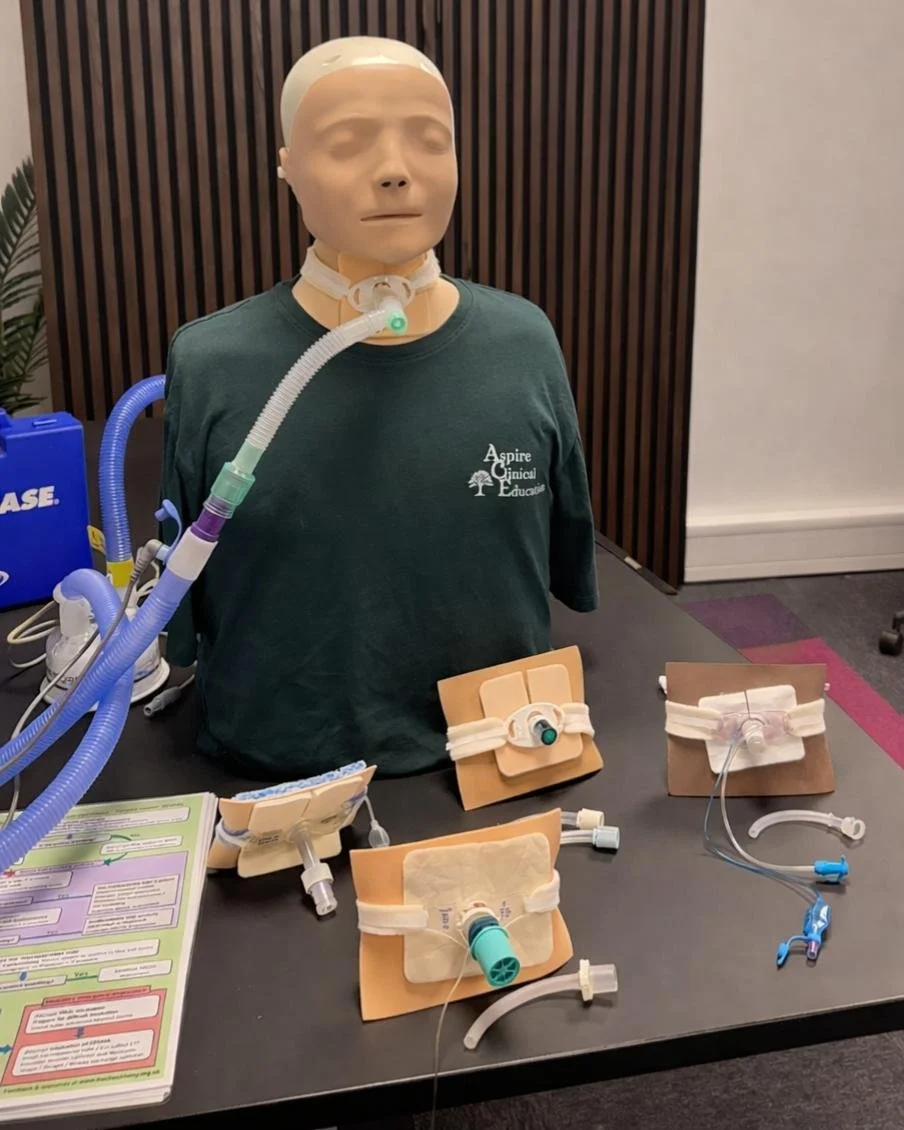
What This Tracheostomy Training Covers
What is a tracheostomy
Indications for tracheostomy
Practical: Types, brands and sizes of tracheostomy tubes
Practical: Fitting, managing and changing an inner cannula
Practical: Changing dressings and tapes.
Care of a tracheostomy stoma.
Practical: Managing a cuffed tracheostomy
Importance of humidification
Communication considerations
Nutritional considerations
Record keeping and documentation
Practical: Tracheostomy tube change (optional)
Emergency tracheostomy box contents and uses
Emergency tracheostomy management national guidelines
Practical Skills Development
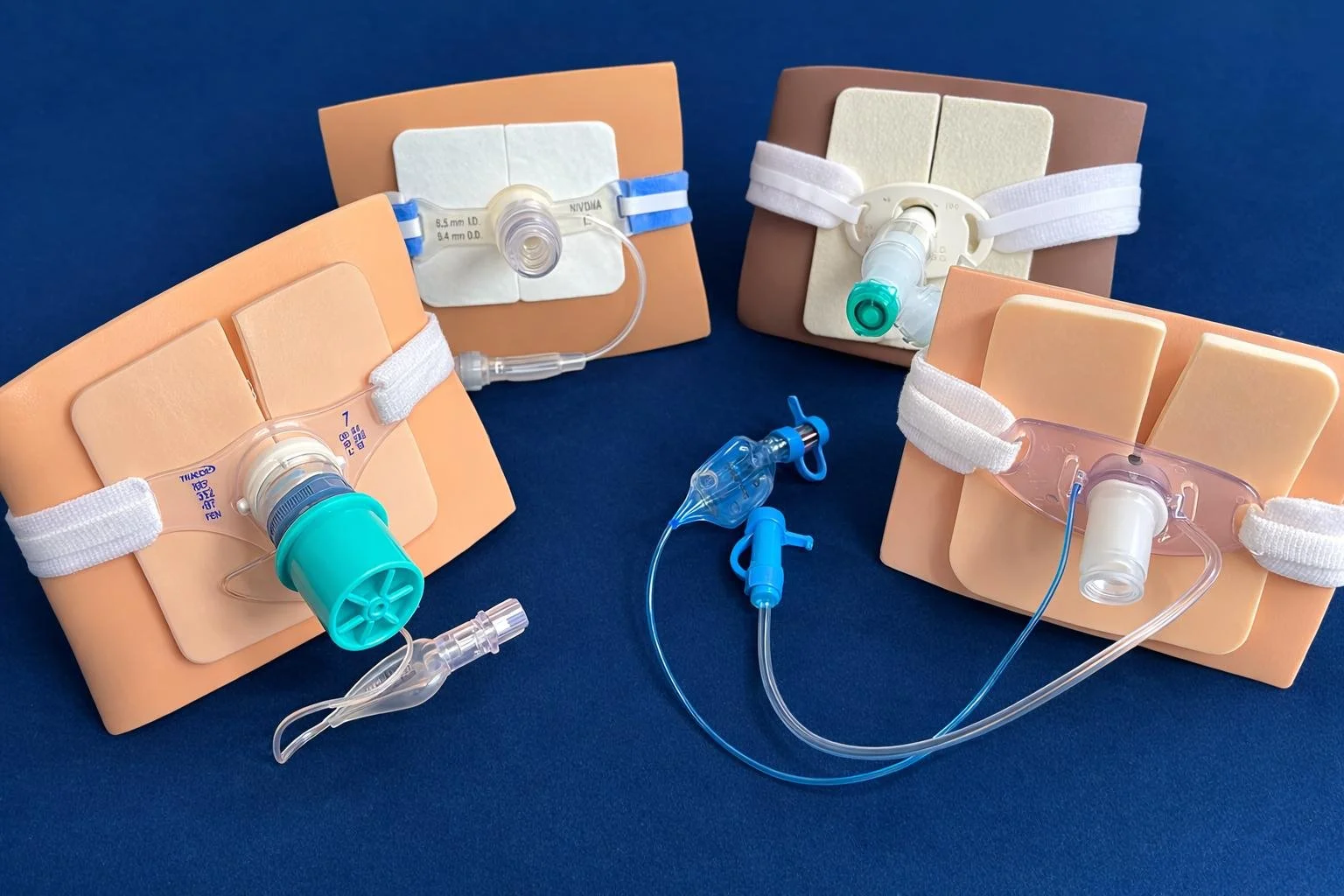
Shiley, Portex, Tracoe Twist, Bivona Tracheostomies
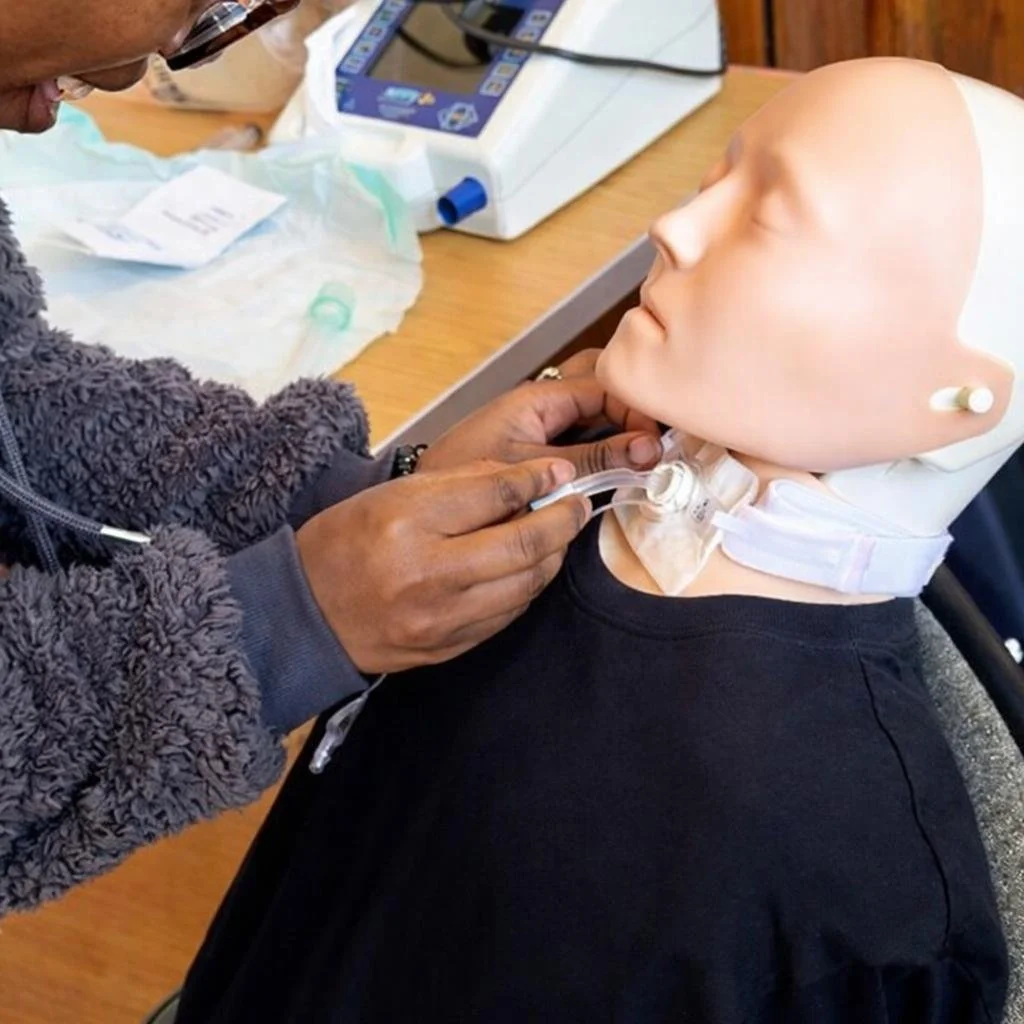
Fitting, Managing and Changing an Inner Cannula
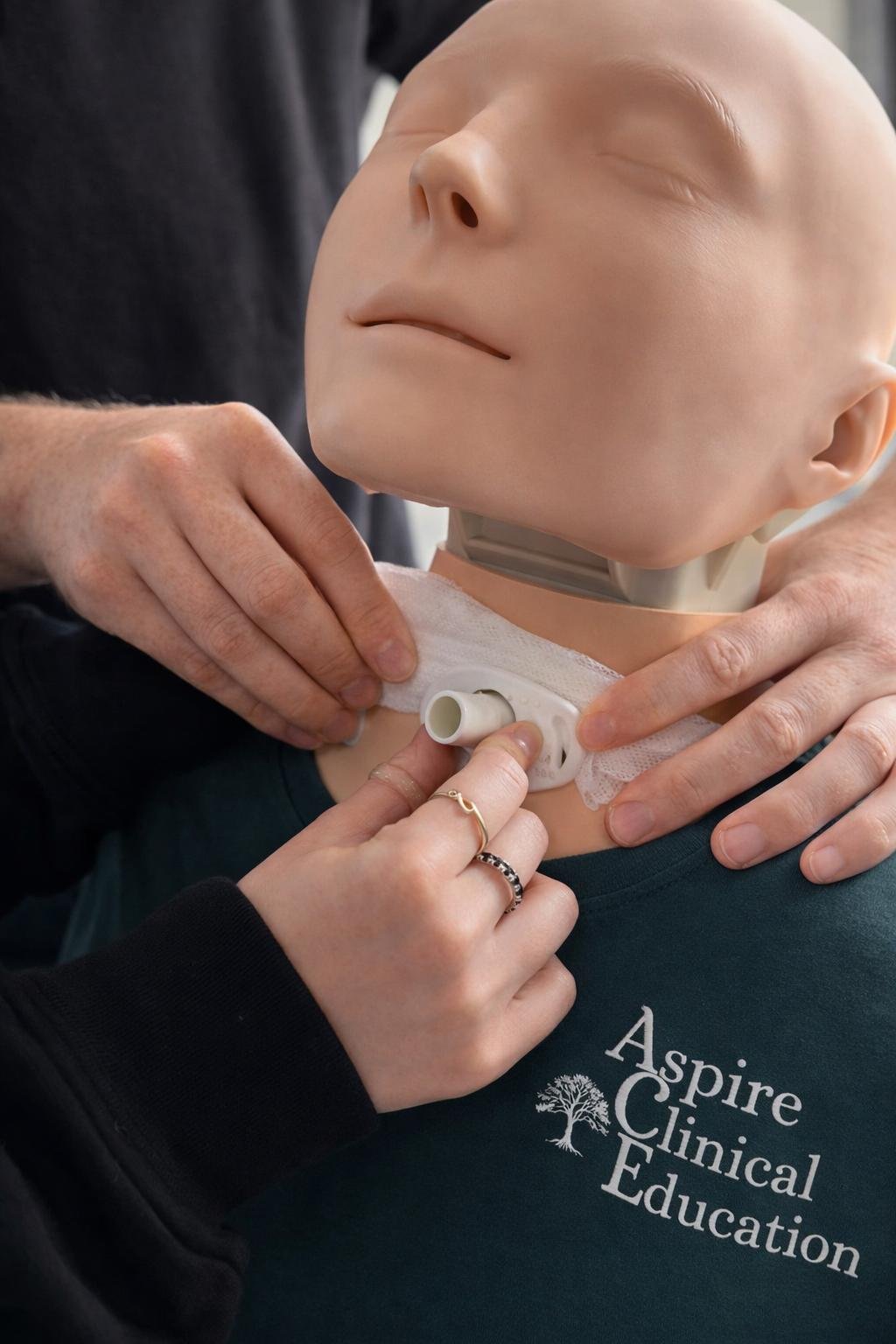
Changing the Dressing and Tapes of a Tracheostomy
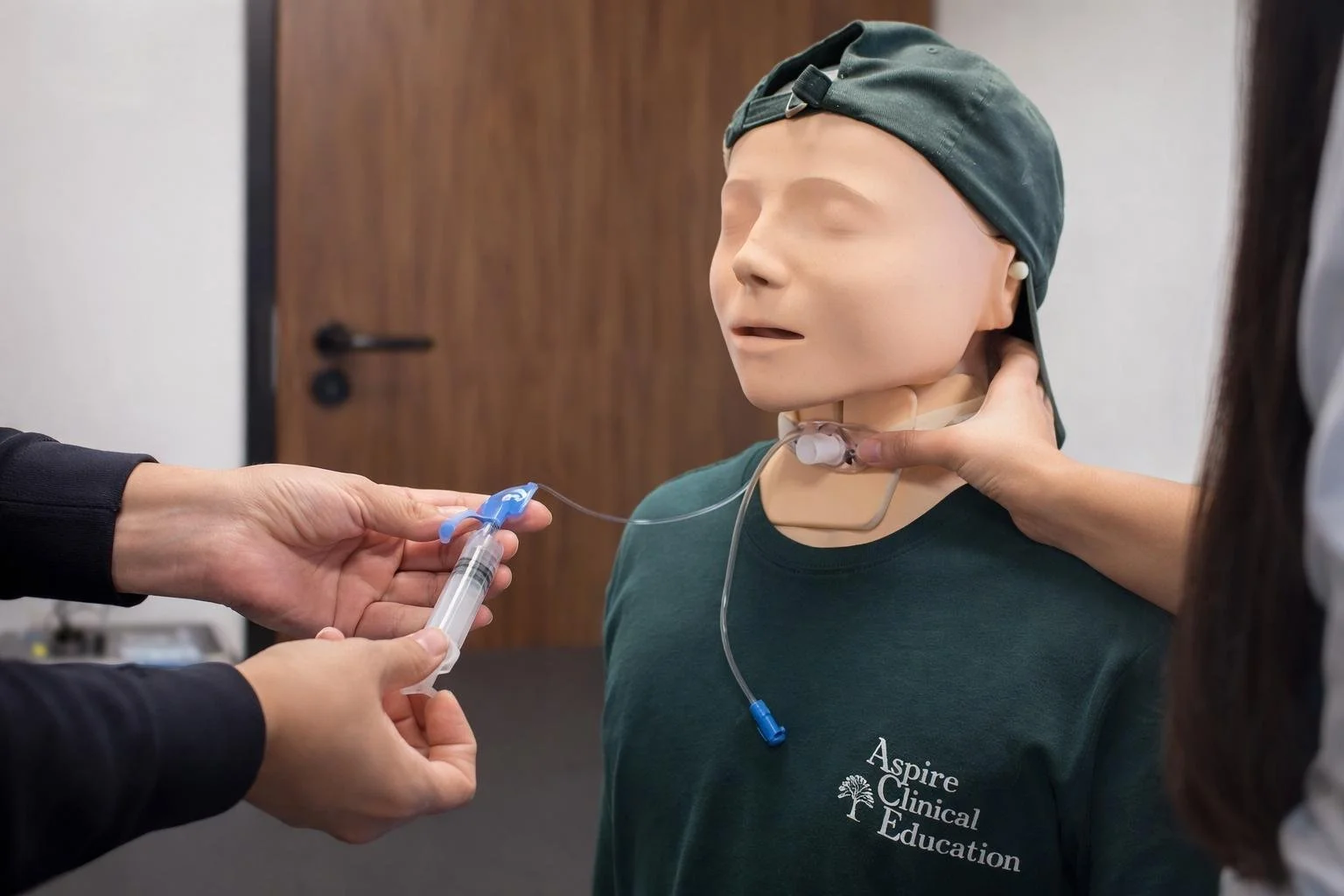
Managing Cuffed Tubes
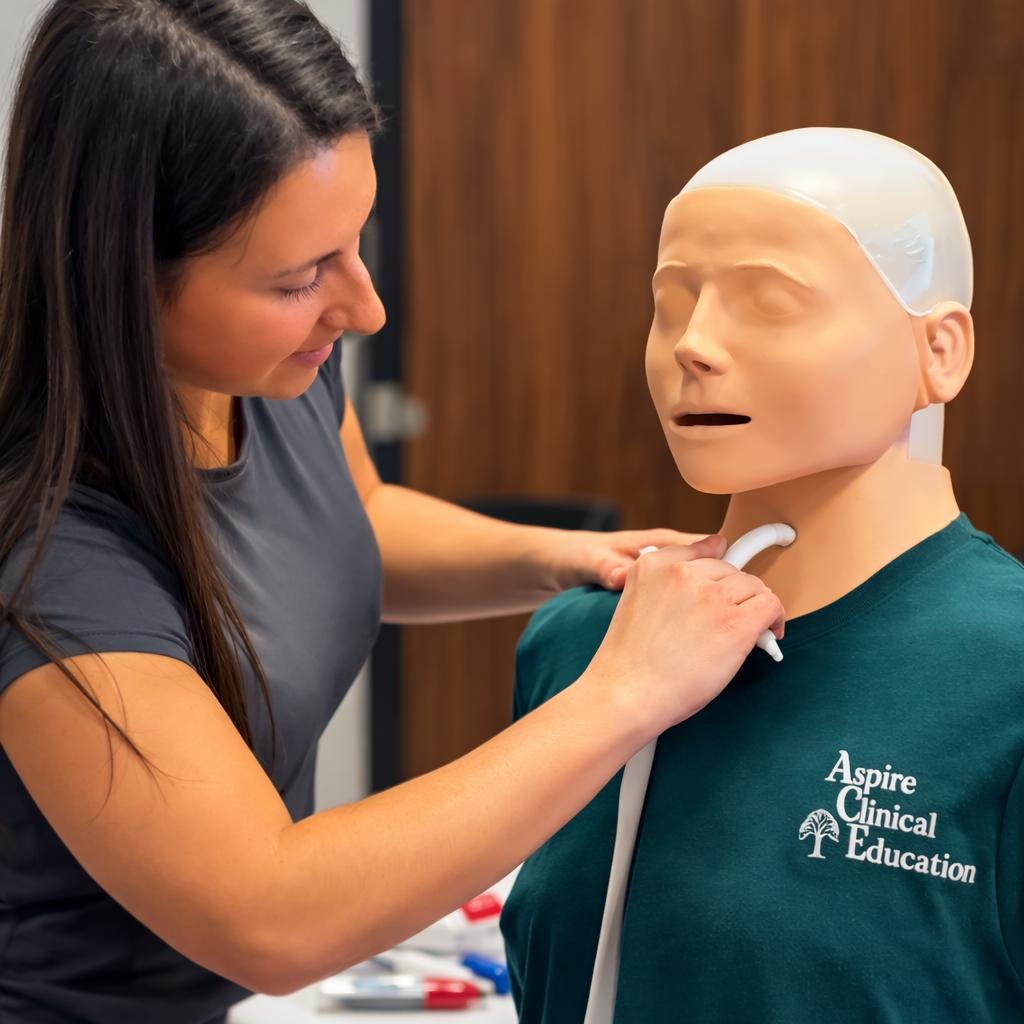
Tracheostomy Tube Change
Who This Training Is Suitable For
• Support workers and carers working within complex care packages
• Registered nurses working in community or home care settings
• School-based or community care teams supporting individuals with healthcare needs
• Healthcare assistants involved in tracheostomy care
• Case management teams arranging client-specific training
• Care providers supporting individuals with tracheostomies
• Directly employed care teams requiring new or refresher training
• Families supporting relatives with a tracheostomy
Training is delivered to organisations and care teams supporting individuals with tracheostomies in community, home care and complex care settings across Yorkshire and the UK.
Understanding Tracheostomy Care
A tracheostomy is an artificial airway created through the neck into the trachea to support breathing, airway protection or long-term respiratory management.
This tracheostomy training explores how tracheostomies work, why they are used and the key principles of safe care in community and home care settings. Learners develop an understanding of routine care, airway management and recognising when escalation may be required.
This training supports learners to understand the principles of safe tracheostomy care and airway management in community and complex care environments.
Training such as safe suctioning techniques can complement tracheostomy care training when teams are supporting individuals with complex needs. The Respiratory Skills Training Workshops encompass all associated cares with tracheostomies to give learners a comprehensive understanding of this complex care skill.
-
Tracheostomy training is recommended for nurses, carers, support workers and other healthcare professionals involved in supporting individuals with tracheostomies in community, home care or complex care settings.
-
Yes. Training can be tailored to the care needs and clinical considerations of the individual client. This helps ensure the training is relevant to the care team and reflects the environment in which care is delivered.
Relevant care plans may be requested ahead of the session to support preparation where appropriate.
-
Yes. Training includes recognising potential airway emergencies such as tube blockage, respiratory distress or accidental decannulation, and understanding appropriate escalation and emergency response.
-
Yes. Aspire Clinical Education training focuses on practical understanding and real-life scenarios to help learners feel confident caring for clients with tracheostomy.
-
Training can be delivered:
• At the care provider’s premises
• Within community settings
• At a suitable venue organised by the providerDelivery options can be discussed depending on the needs of the organisation and care package.
-
Yes. Learners attending training receive a certificate of attendance. If the learner attended the Respiratory Skills Training Workshop, an accredited CPD certified certificate is awarded.
Tracheostomy Care Training – Frequently Asked Questions
FREQUENTLY ASKED QUESTIONS
Explore Related Training
FACE -TO-FACE · NURSE-LED · SMALL GROUPS

Need training tailored to your team or client?
I offer fully bespoke, client-centred training. I gather information beforehand so every session is completely personalised.
Let’s talk about your tracheostomy training needs
GET IN TOUCH
Whether you're booking a place on an open workshop, looking for bespoke training for your team, or just want to find out more! I'd love to hear from you.
PHONE


RESPONSE TIME
Usually within 24 hours