
Vital observations are a fundamental part of monitoring a person's health and identifying early signs of deterioration.
This training provides healthcare professionals with the knowledge and practical skills required to accurately measure and interpret vital observations. The session focuses on safe technique, understanding normal and abnormal findings, and recognising when escalation is required.
Duration: 2 Hours
Format: Face to Face Practical Training
Vital Observation and Recognising Deterioration Training
PRACTICAL VITAL OBSERVATION TRAINING
Understanding Vital Observations
Vital observations provide important information about how the body is functioning. Monitoring these observations regularly helps identify changes in a person’s condition and enables early intervention where required.
During training, learners will develop an understanding of:
Why vital observations are taken
Normal ranges and recognising abnormal readings
Early identification of deterioration
Safe and accurate measurement techniques
Appropriate escalation of concerns
Vital Observations Covered
Training includes:
Temperature
Pulse / heart rate
Respiratory rate
Blood pressure
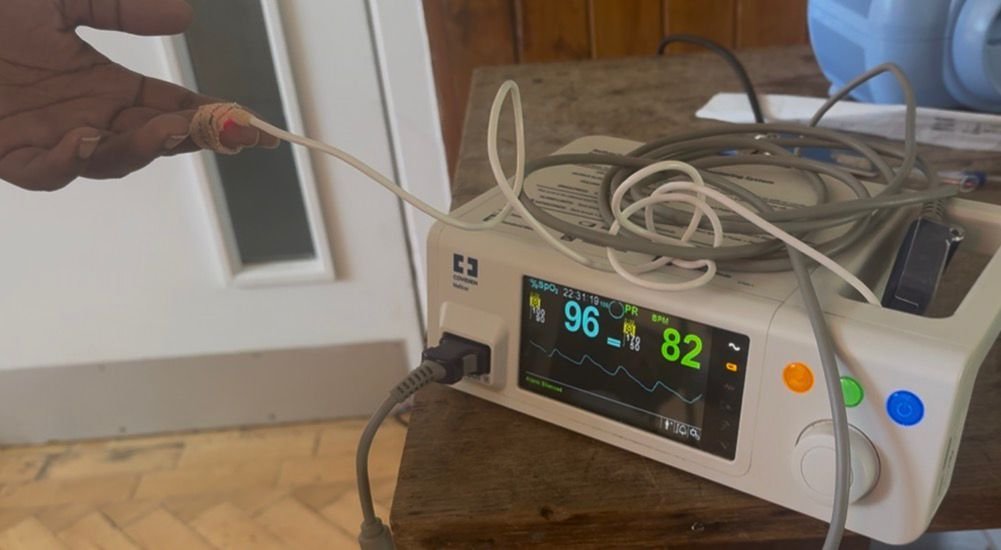
Oxygen saturation (SpO₂)
Level of consciousness (AVPU)
Pain assessment
National Early Warning Score (NEWS2) (where relevant)
Early Recognition of Deterioration
Understanding how observations link together is essential for recognising when a person may be becoming unwell.
Changes in respiratory status
Indicators of infection or sepsis
Hypoxia and oxygen saturation changes
When observations fall outside normal ranges
Escalation and reporting concerns
Who This Training is Suitable For
Support workers, healthcare assistants and carers
Registered nurses
School or community-based care teams
Case management teams arranging client specific training
CQC Care providers
Directly employed care teams needing new or annual refresher training
-
Yes. Training can be tailored to the care needs and clinical considerations of the individual client. This helps ensure the training is relevant to the care team and reflects the environment in which care is delivered.
Relevant care plans may be requested ahead of the session to support preparation where appropriate.
-
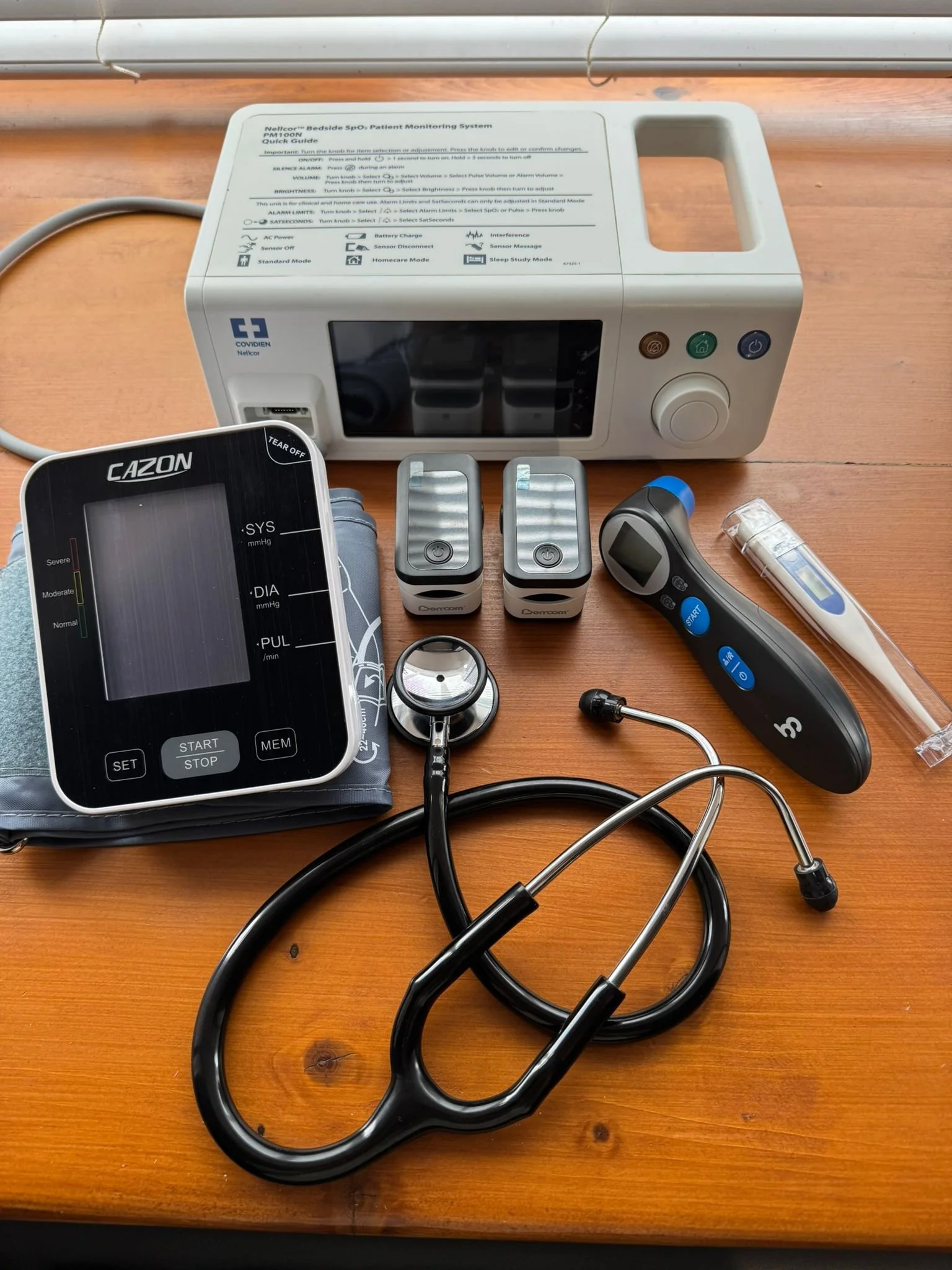
Yes. Where appropriate, learners will have the opportunity to practice using common equipment such as thermometers, blood pressure monitors and pulse oximeters.
-
Where relevant to the setting, the principles of NEWS2 and recognising deterioration may be included.
-
Training can be delivered:
• At the care provider’s premises
• Within community settings
• At a suitable venue organised by the providerDelivery options can be discussed depending on the needs of the organisation and care package.
-
Yes. Learners attending training receive a certificate of attendance.
-
Yes. Diabetes training is suitable for teams working in community, home care and other care settings.
Vital Observations Training – Frequently Asked Questions
FREQUENTLY ASKED QUESTIONS
Explore Related Training
FACE -TO-FACE · NURSE-LED · SMALL GROUPS

Need training tailored to your team or client?
I offer fully bespoke, client-centred training. I gather information beforehand so every session is completely personalised.
Let’s talk about your vital observation training needs
GET IN TOUCH
Whether you are looking for bespoke training for your team or just want to find out more! I'd love to hear from you.
PHONE


RESPONSE TIME
Usually within 24 hours